Knowing how to be a good houseguest comes down to three things: prepare before you go, take up as little space as possible while you are there, and reset everything before you leave. Most etiquette trouble is really just a guest being surprised by a rule they never asked about, so ask early and everything else gets easier. The whole thing takes about ten minutes of preparation and two minutes of cleanup at the end.
Updated October 2026. This guide covers everything from confirming the invitation to writing the thank-you note, including the situations nobody warns you about: week-long stays, shared bathrooms, and homes where more than one adult lives.
Table of Contents
- What You Need Before You Arrive
- Step-by-Step: How to Be a Good Houseguest
- What Hosts Notice Most
- Common Mistakes and How to Correct Them
- Frequently Asked Questions
- How long should you stay as a house guest?
- Do you strip the bed when you leave a houseguest stay?
- Should guests bring their own towels and toiletries?
- What is a good host gift to bring when staying overnight?
- Is it rude to invite friends over to your host’s house?
- Should a houseguest help with the dishes?
What You Need Before You Arrive
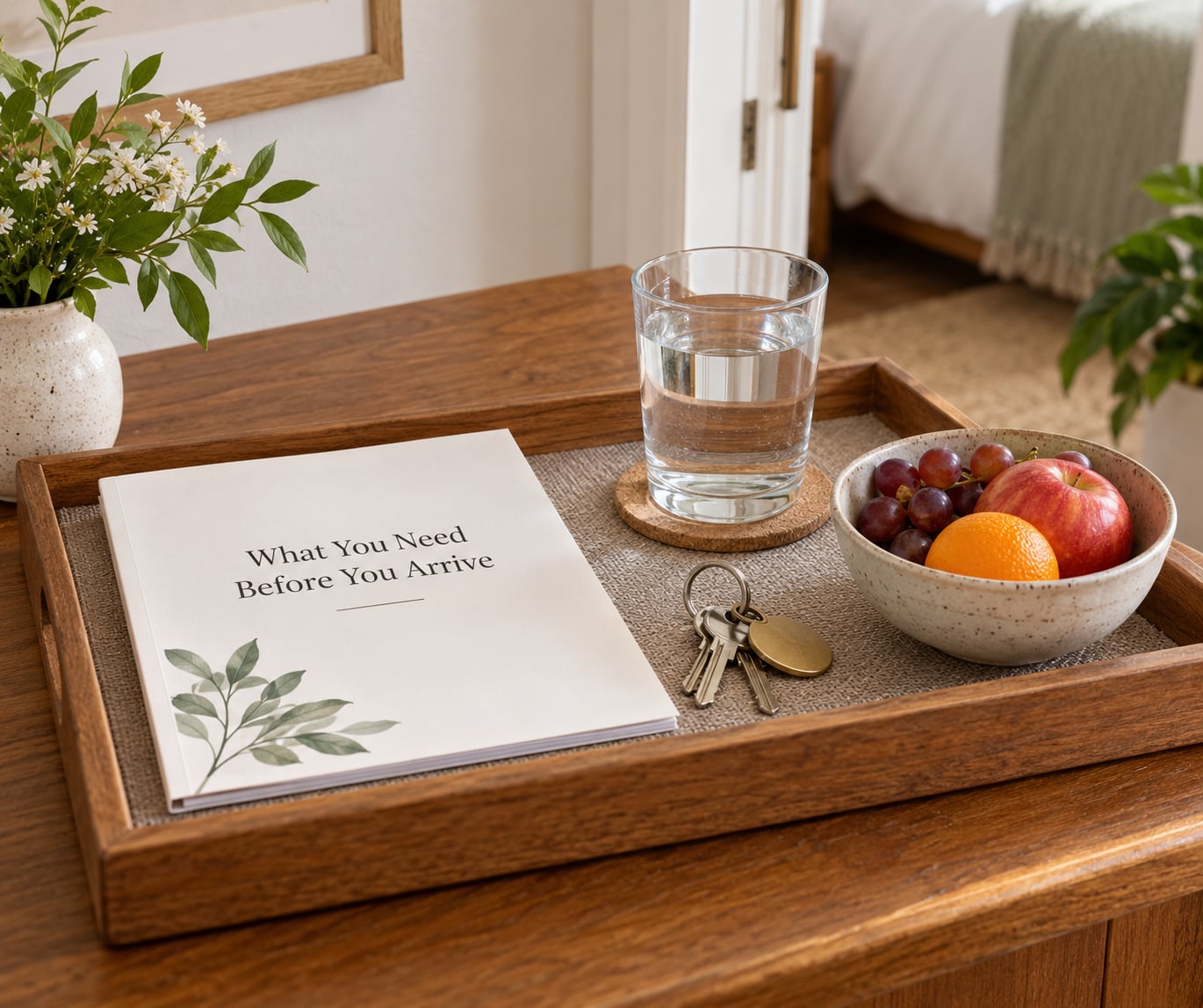
Most of houseguest etiquette happens before you knock on the door. The list below is everything worth sorting out while you still have the luxury of a calm text message.
- Confirmed dates. Your arrival window and your departure date, written down in a thread you can both see. Vague plans are where overstaying begins.
- A host gift chosen for the occasion rather than grabbed at the last second.
- Your own bag: toothbrush, toothpaste, medications, deodorant, skincare, phone charger, laptop charger, sleep mask, earplugs, a book.
- Food and allergy information you can send in advance without being asked.
- Your own transportation plan, plus enough spending money that you never have to borrow.
- One boundary you are able to state plainly, whether that’s a morning run, an early work call, or not wanting to discuss a particular topic.
On the gift: skip anything that requires the host to store it, display it, or store it again later. Wine, a good loaf of bread, a nice coffee, a candle, or a jar of something they said they love all work. Flowers are lovely but they die fast, which means the host is still holding your gift on day nine.
Step-by-Step: How to Be a Good Houseguest
1. Confirm the invitation and the arrival plan
Reply to the invitation with four specifics: the date, a realistic arrival window, your departure date, and whether you are bringing anyone. Then ask the questions that save trouble later, such as where you should sleep, whether you are expected at dinner, whether they can pick you up, and whether they want help with anything.
The single most useful question is about the house itself: is there a door code, a parking spot, a Wi-Fi password, a quiet hour, or a rule about shoes? Guests who never ask are the ones hosts write angry posts about.
2. Arrive on time with something to hand over
Early is stressful because the house may not be ready. Very late is rude because the host has been waiting. Aim for the middle of the window you agreed on, and send one text if something goes wrong on the way.
Hand the gift over at the door with a thank-you attached to it, so the gratitude is in the same breath as the arrival rather than three days later. If you offer to split dinner costs, be specific: “I’d love to take you both out for tacos on Saturday.” Vague offers of help are easy for a busy host to decline and never revisit.
3. Read the home and follow its routines
Watch how the household does things before you do anything differently. Shoes at the door or shoes in the hallway. A dog who gets let out at seven. Someone who cooks at ten and a kitchen that goes quiet after. Quiet hours. Which mug is theirs. You can pick up the pace of a home faster than you can read a list of rules.
If you genuinely cannot tell, ask once, casually: “Is there a quiet time here?” One question covers what a list would have.
4. Be easy to live with
This is the phase hosts actually complain about, and the complaints are remarkably consistent. Dishes left in the sink. Wet towels on the floor. Bags occupying the good sofa. A guest who needs the shower at six in the morning but doesn’t mention it until the night before.
Clean as you go. Wash what you use, put your things away, keep noise down, and ask before borrowing anything from another room. When hosts describe their worst guest, it is almost never something dramatic. It is someone who made more work, every day, in small ways.
On money: bring your own spending money and contribute to at least one meal. Guests who are fed and driven around but never pay for anything generate real resentment, and it comes out after you have left.
5. Join the visit without taking it over
Say yes to what the host has planned, and offer a choice instead of a demand. “Want to see the neighborhood or stay in and cook?” beats announcing that you would like to do something else. Communicate your comings and goings with a rough heads-up, not a permission request.
Do not invite other people over. Not your friends, not your partner’s friends, not the person you ran into at the airport. That is your host’s home and their risk, and adding a body changes the dynamic in ways nobody agreed to. The same logic applies to extending your stay: if you need another night, ask the host, never the calendar.
After night three, the rules shift. Miss Emily Post’s three-night maximum is not a law, it is a signal that a guest should be carrying more of their own load by then. On a week-long stay, cook a meal, do the dishes, take out the trash, offer to run errands, and make your own bed each morning.
6. Leave the home better than you found it
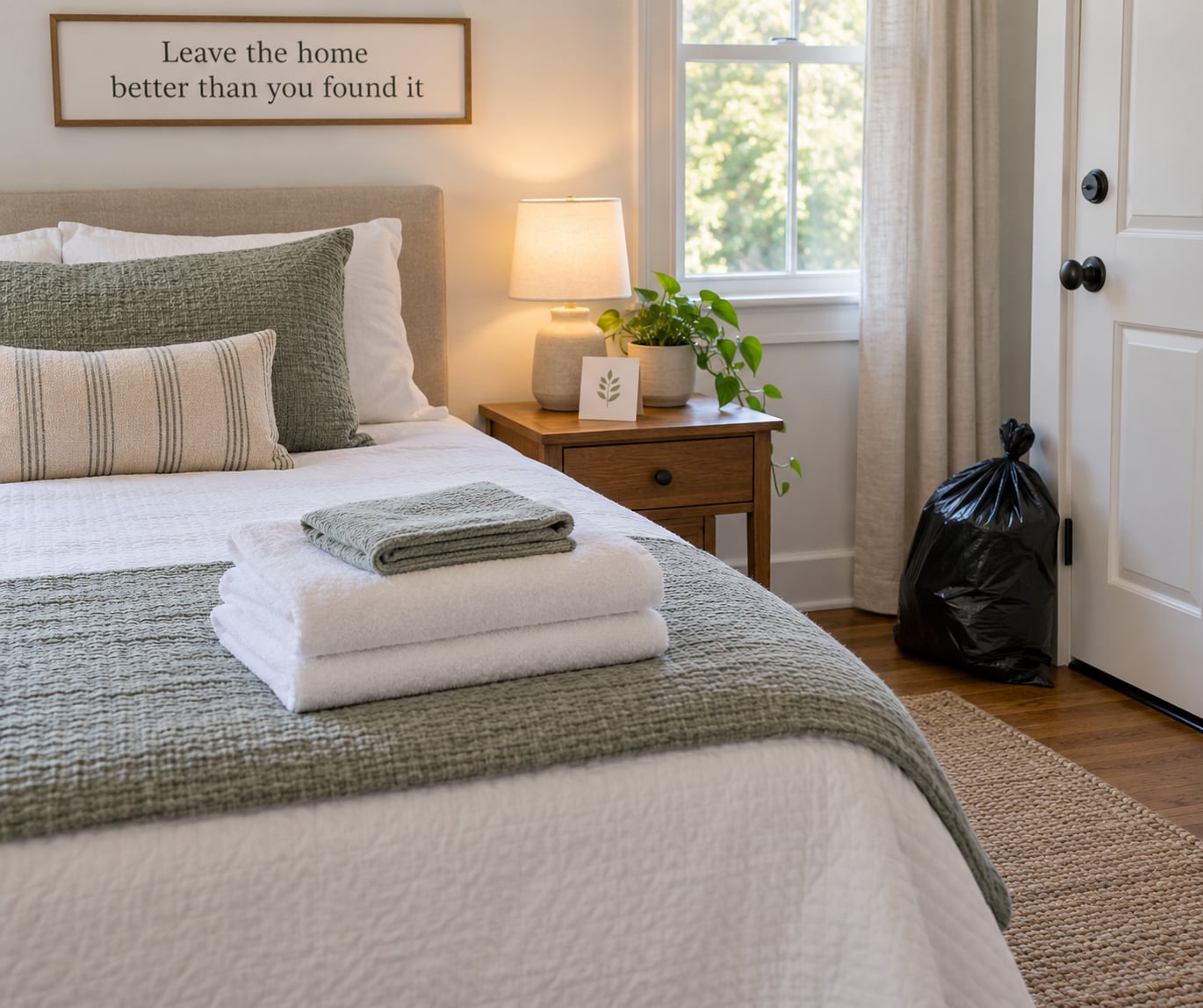
Before you go, the house should look like you were never there. That means dishes done, counters wiped, your bag fully packed and not hiding in a corner, chargers and coat retrieved, trash taken out, and the guest room reset.
Strip the bed or ask first? Ask. Old advice says always strip, newer advice says leave it made, and the honest answer is that hosts differ. One sentence settles it: “Do you want the sheets off, or shall I leave the bed made?” Nobody has ever been offended by being asked that question.
Then thank them. A handwritten note is still the standard for a stay that included a bed, a meal, or real effort, and it is the thing hosts mention years later. A text is fine for a coffee stop; for an overnight, send something on paper.
What Hosts Notice Most
Hosts remember the small things, not the impressive ones. Someone who shows up and quietly washes their own dishes gets remembered; someone who brought an extravagant gift and left a mess does not. If you want to know how to be a good houseguest rather than just a generous one, this is the list that matters.
- Whether you asked anything at all. Hosts notice guests who arrive and immediately start guessing. One question about the Wi-Fi password or the trash schedule reads as respect.
- Whether you gave them back their kitchen. A wiped counter and an empty sink at the end of the day is the clearest thank-you a guest can give.
- Whether you noticed the house runs on somebody’s sleep schedule. Late showers, early packing, loud calls at midnight.
- Whether you took only what you were offered. Helping yourself to the good olive oil without asking says something.
- Whether you made their home feel private again when you left. Guests who handle their own belongings and leave rooms as found make hosts feel like they actually get a break.
- Whether you came back. A text a week later saying you got home safe, plus an invitation to do it again, closes the loop better than any note.
Host threads tend to circle back to the same theme: having a house guest and being a house guest are two sides of the same stress, and almost all of it comes from unclear expectations rather than bad intentions.
Two situations deserve a little extra care. In a home with kids, match the household’s noise level and keep toys and food you hand over in whatever system exists; in a home with pets, ask before the visit rather than after the dog has already had an accident.
If either you or your host is neurodivergent, sensory load is a real part of the stay. Scented candles, strong sprays, and an unfamiliar bathroom at 6 a.m. are small things that add up, so ask about fragrance and give yourself permission to use the guest room as a quiet base.
Common Mistakes and How to Correct Them
Almost every guest complaint falls into one of these buckets. The fix is almost always a sentence you could have said out loud.
- Arriving empty-handed and never mentioning it. Fix: bring something small and say thank you at the door.
- Overstaying by ten minutes. Fix: leave when you said you would, or text a firm new time.
- Treating the place like a hotel. Fix: ask where things are rather than opening cupboards and helping yourself to whatever is on the counter.
- Ignoring rules you were never told. Fix: ask about house rules in the first hour, before you settle in.
- Adding people to the home. Fix: never invite anyone over without your host’s clear yes.
- Leaving dishes in the sink for later. Later means your host does them. Load the dishwasher or wash them.
- Rethrowing an old argument. Fix: a visit is not the venue. Nothing is gained and the host has to host through it.
- Disappearing. Fix: send the note. One week later, on paper.
A useful test before you leave: would your host be able to give a friend a tour of their house tomorrow without mentioning anything you did?
Frequently Asked Questions
How long should you stay as a house guest?
Most etiquette guides point to three nights as the comfortable maximum for an uninvited-to-extend stay, a standard associated with the Emily Post Institute. It is a guideline, not a law. For a longer trip that was agreed in advance, stay as long as you were invited, take on more household tasks after night three, and keep the host’s workload at or below what it was on day one.
Do you strip the bed when you leave a houseguest stay?
Ask first. Older advice says always strip the sheets so the host does not have to handle soiled linens, and newer advice says leave the bed made. A one-sentence question settles it and shows you were paying attention. Some hosts have a housekeeper and want nothing touched, others want the bed bare. Either answer is fine; guessing is not.
Should guests bring their own towels and toiletries?
Yes. Pack your own toothbrush, toothpaste, deodorant, skincare, medications, and a towel if you have a favorite one. Borrowing from a host’s bathroom is one of the most commonly complained-about guest behaviors, particularly in homes with a shared or limited bathroom. Buying your own supplies is a small cost compared with replacing what you used.
What is a good host gift to bring when staying overnight?
Match the gift to the occasion and the host rather than to a generic list. Wine or sparkling water for a dinner, a good coffee or tea for a weekend, bread or pastries for a holiday, and a candle or small something for the house all work. Avoid gifts the host must store, gifts that expire, and large ones that create an obligation to reciprocate. Flowers are lovely and short-lived.
Is it rude to invite friends over to your host’s house?
Yes, it is. It changes the risk, the noise, and the cleaning for the host without their consent. If you want to see local friends, meet them somewhere else and tell your host you are heading out, not inviting anyone in. The same rule covers pets, siblings, and partners the host may not have factored into the invitation.
Should a houseguest help with the dishes?
Clean as you go rather than making one heroic cleanup at the end. Wash or load what you use the moment you use it, wipe the bathroom counter, hang towels up instead of leaving them on the floor, and take your trash out. On a stay longer than three nights, cook at least one meal and handle the dishes yourself so the host gets an evening off.
If you do only one thing differently, send one message before you travel that confirms your dates and asks what you should bring. It clears up more potential etiquette problems than anything else on this list, and it takes about a minute.