
How to find community in a new town comes down to repetition, not charm: pick one welcoming place, go back a second and third time, and let a shared activity do the awkward work of starting conversations. Give it six to twelve months, and expect the first month to feel quiet.
That timeline sounds slow until you hear how it usually goes. People who moved alone and landed somewhere they know nobody describe the same arc: a few months of showing up, one accidental conversation that repeats, then a name that turns into a standing invitation. The move itself is not the hard part. Showing up twice is.
This guide is written for LGBTQ+ adults and allies, with extra weight on safety, sober options, and small towns where visible queer infrastructure might be thin or nonexistent. Most of it applies to anyone relocating alone.
Table of Contents
- What You Need
- Step-by-Step: How to Find Community in a New Town
- Common Mistakes and How to Fix Them
- Frequently Asked Questions
- How long does it take to find community after moving to a new town?
- What are good places to meet LGBTQ+ people in a new town?
- How can I meet people if I am shy or do not drink?
- What if I move to a small town with few LGBTQ+ events?
- How do I know whether a local space is safe and welcoming?
- Should I use dating apps to find friends in a new town?
- How to Find Community in a New Town: Start Small and Return
What You Need
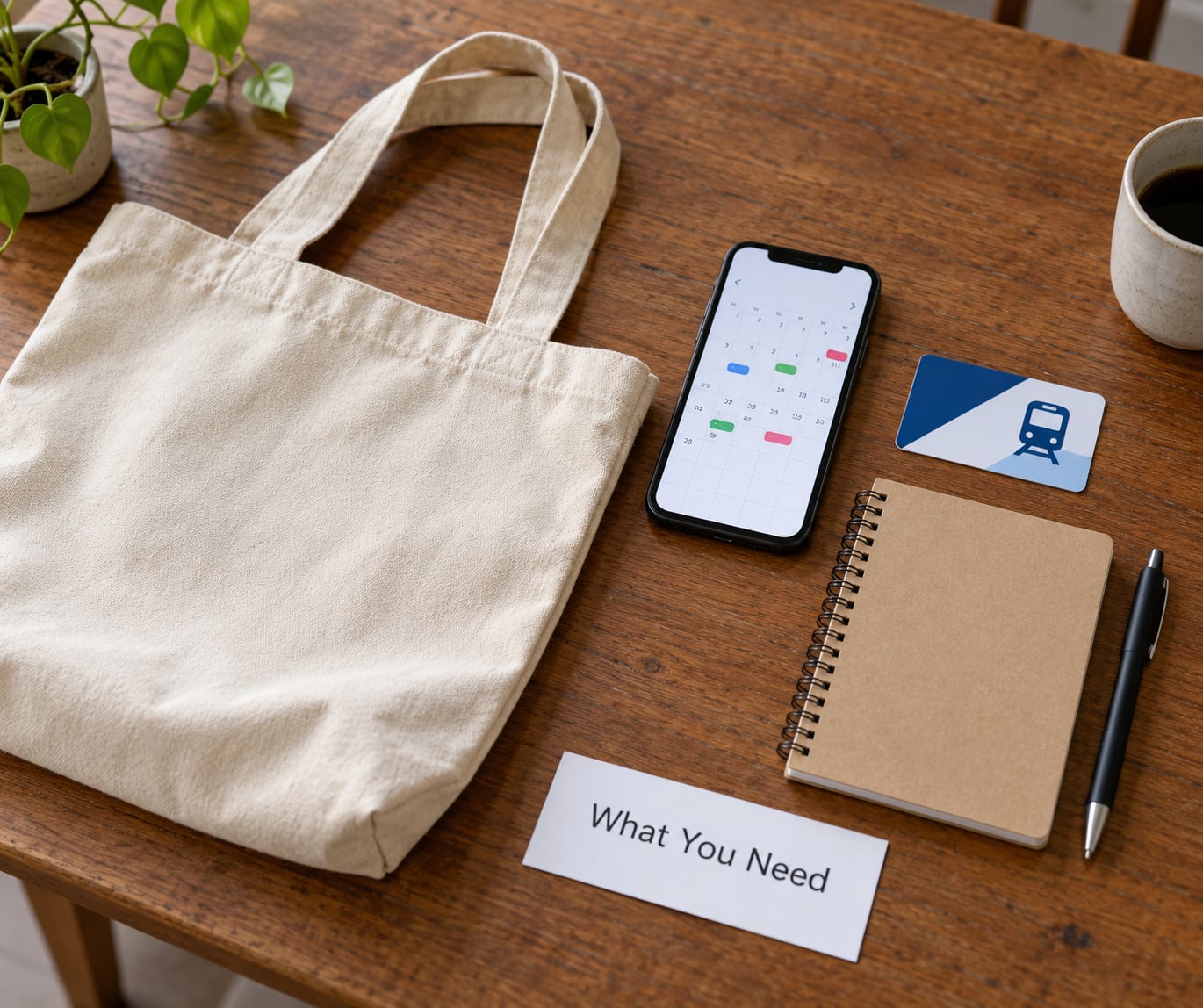
Five things help, and none of them cost much:
- A flexible budget. Most of the best entry points are cheap or free. A library card, a community center membership, a weekly class, or a farmers market stall gets you repeated contact with the same people.
- Reliable transportation. A place you can reach without a two-hour round trip survives a bad week. If you drive, a parking plan matters more than people expect.
- A private way to be contacted. Give people a personal number or a second email rather than only a work address. Sharing it signals that you want the friendship to continue.
- A current source of listings. Event calendars age fast, especially for queer events. Check what the listing says this month, not what a search result from two years ago said.
- Time for repeats. One visit is an event. Three visits is a relationship in slow motion. If your schedule only allows one-off outings, you will keep meeting people but not building anything.
Step-by-Step: How to Find Community in a New Town
1. Research the local LGBTQ+ scene

Start by finding the organizations, venues, groups, and publications that exist near you, then verify that each one is still active as of 2026. A useful order is: the nearest LGBTQ+ community center, then recurring social groups, then event listings, then the local queer press, then venues.
Three things are worth checking before you walk in the door. Is the listing dated, or is it a page nobody has updated? Does the group actually meet, and how often? And does the language on the page match people like you, whether that means age, race, gender identity, disability, or recovery?
People moving into smaller cities often find the answer is one center and a handful of recurring events rather than a scene. That is workable. So is a larger city where the crowd skews young and you are 55. Filter for the group you want, not the group that exists.
2. Choose one recurring place to visit
Pick a single setting with a fixed schedule and go on that schedule. A weekly open gym, a monthly community center night, a Thursday book club, a Sunday community meal, a volunteer shift that repeats every other week.
The reason is simple: recognition requires repetition. The person behind the counter stops being a stranger the fourth time you walk in. Most people join a group because the third visit was less awkward than the first, not because anything dramatic happened on visit two.
Keep it affordable and unglamorous. Prestige is not the goal, familiarity is.
3. Start with a shared activity
An activity with a built-in focus removes the need to perform. Nobody has to fill silence, because there is a game to play, a book to argue about, or a table to set.
Research on group bonding keeps pointing the same way: people bond through repeated low-stakes contact, not through one intense conversation. Recurring activities also spread out the cost of rejection. If a Thursday run club is not for you, you did not fail, and nobody took it personally.
That last part matters more for queer newcomers than the article usually admits. Fear of rejection runs deeper when your history includes identity-based rejection. Choosing a low-stakes setting lets you test the waters without spending your whole social budget in one evening.
4. Attend an event that matches your interests
Before going, look at what the listing actually tells you: whether the venue is step-free and has accessible restrooms, whether alcohol is central to the evening, who usually shows up, what it costs, and what the transportation options look like at closing time.
Those five details filter out most bad nights. They are especially useful if you are newly sober, in recovery, or simply done with nightlife. Drag shows, game nights, potlucks, film screenings, and community meals give you the atmosphere of a social event without the drinking culture built into it.
Go once or twice before you judge it. One quiet evening usually says more about the room than about you. If the second time you feel the same disconnect, move on without a ceremony.
5. Make a small, specific invitation
This is where most advice gets vague, so here is the concrete version. At the end of an activity, ask someone about the specific thing you both just did: what they thought of the route, which chapter of the book they disliked, whether the potluck slot is already full next month.
Then make it small and easy to say yes to. Coffee for thirty minutes after the next meeting. Sitting together before the activity starts. Helping carry chairs. Anything that is smaller than a dinner party and does not require you to host in an empty apartment.
Vague invitations get vague answers. Specific ones get yeses.
6. Follow up without pressure
Send one message the next day. Two sentences is plenty: what you enjoyed, and a specific time to meet. Then leave it alone until they reply.
People are busy, newly arrived themselves, or simply cautious about fast friendships in a new place. Silence usually means scheduling, not rejection. Do not send a second message for at least a week.
Then keep going back to step two. A message that gets no reply is not the end of the road at your recurring place, and treating it that way is how people quit six weeks into a move.
7. Build layers of connection
One friend is fragile. One setting is fragile. Build a few of each, and they start propping each other up: the book club knows your name, the volunteer shift has a group chat, the neighbor has a spare key and a ladder.
Layer in different directions. Volunteering for an LGBTQ+ organization produced some of the deepest connections people describe in forum threads about moving to a new city. Organizing produces them faster still, because organizers get to know everybody. Online groups help when you travel or when a town is too small for a public gathering.
Weak ties count too. The barista who remembers your order is not going to become your emergency contact, but they are a real social connection, and casual familiarity is what most lonely weeks are actually missing.
Common Mistakes and How to Fix Them
Waiting to be introduced. Nobody is holding a door open, and introductions usually come from showing up in the first place. Fix: attend the same activity twice before you conclude it does not work.
Treating every event like a dating opportunity. Then every non-romantic conversation feels like a loss. Fix: decide in advance that a handful of people from that room are your friends, and let it happen at its own speed.
Relying on old listings. Queer venues close, groups fold, calendars rot. Fix: confirm the date and the venue within a week of leaving, and check whether a group has posted recently before driving across town.
Overdrinking to fit in. This is the most common failure mode in nightlife scenes and the most expensive. Fix: choose activities where the activity is the point, and never count the number of drinks as a measure of how well you are connecting.
Skipping follow-up. You met someone good, and you both went home. Fix: send one short message within a day, name a specific next time, and then let them answer.
Quitting after one quiet evening. Almost nobody enjoys the first two visits. Fix: commit to four visits at one place before you judge it, and keep a second candidate setting on the side for weeks six and seven.
Frequently Asked Questions
How long does it take to find community after moving to a new town?
Most people who move alone report six to twelve months before community stops feeling fragile. The first four to six weeks are the awkward part, when you are a new face in a room. Real friendships usually show up around month three or four, once one person starts greeting you by name and inviting you to things. If you are still alone after four months, that is a signal to add a second recurring place rather than a signal that something is wrong with you.
What are good places to meet LGBTQ+ people in a new town?
The strongest options are recurring and low-stakes: an LGBTQ+ community center, a queer book club, a gay or trans sports league, a climbing or running group, a volunteer shift with a queer organization, or a local social group that meets monthly. Queer venues and bars work too, but they skew younger and alcohol-centered. Ask what a group has actually done recently, and whether anyone there reflects your age, race, or identity, before you commit a whole evening to it.
How can I meet people if I am shy or do not drink?
Pick activities with a built-in focus, so the conversation has a place to go that is not small talk about yourself: a sport, a class, a book club, a volunteer shift, a community meal. Quieter formats like board game nights, film screenings, and craft circles tend to have lower drinking pressure than bars. Go at the same time each session, arrive a few minutes early, and aim to greet one new person per visit. Shyness is a speed limit, not a closed door.
What if I move to a small town with few LGBTQ+ events?
Small towns usually have fewer events and stronger relationships, so the approach changes. Look for the nearest regional LGBTQ+ center, statewide listserv or newsletter, and online groups that meet up in person when they can. Community center meeting rooms, libraries, faith communities, and volunteer networks often hold the local events that do not get publicity. Online friends who live an hour away can be real friends, and they are easier to keep than people you only see at one annual festival.
How do I know whether a local space is safe and welcoming?
Look at who actually organizes it, what the code of conduct says, and whether past events have clear harassment or safety policies. Check reviews and forum mentions from people who are not the organizers. Before your second visit, tell one person where you will be. In a new town you have no local allies yet, so treat the first few months as a period of gathering information rather than making assumptions about any single room or street.
Should I use dating apps to find friends in a new town?
Apps can work, but they are a supplement rather than a foundation. Swipe-based dating apps rarely produce platonic friendships, and mainstream friendship apps do not filter well for queer community. Lex is the text-first, queer-specific option people in forum threads recommend most often, though it varies by city. The pattern that works is using any app to find one or two people, then moving the relationship into a recurring in-person setting within a few weeks.
How to Find Community in a New Town: Start Small and Return
Your first move is small. Research one recurring LGBTQ+ activity in your new town, go twice, and make one low-pressure invitation the second time. That is the whole plan for week one.
Everything after that is repetition. Community in a new town is not found at a single perfect evening; it is assembled out of a series of ordinary Tuesdays until someone saves you a seat.