If you have never been to a drag show, the whole thing probably feels more complicated than it is. Knowing how to behave at your first drag show comes down to a few things: tip the performers, keep your hands off them and the stage, give them your attention, and treat the room as a space people worked hard to build. No one is going to hand you a rulebook at the door. The regulars who answer this question on r/Drag all say roughly the same thing: there are no real rules beyond showing respect and having fun.
That said, there are unwritten norms, and getting them wrong in your first ten minutes is awkward for everyone including you. A drag show is a live performance in a bar or club, run by people who frequently work on tips and pay their own money for wigs, padding, heels and rehearsal time. The audience decides how that night feels.
This guide walks through what to bring, how the night runs, how to tip without making it a whole thing, and the mistakes that first-timers regret. Updated for 2026, it takes about ten minutes to read and covers bar shows, drag brunches, pageants and ticketed theater.
What You Need
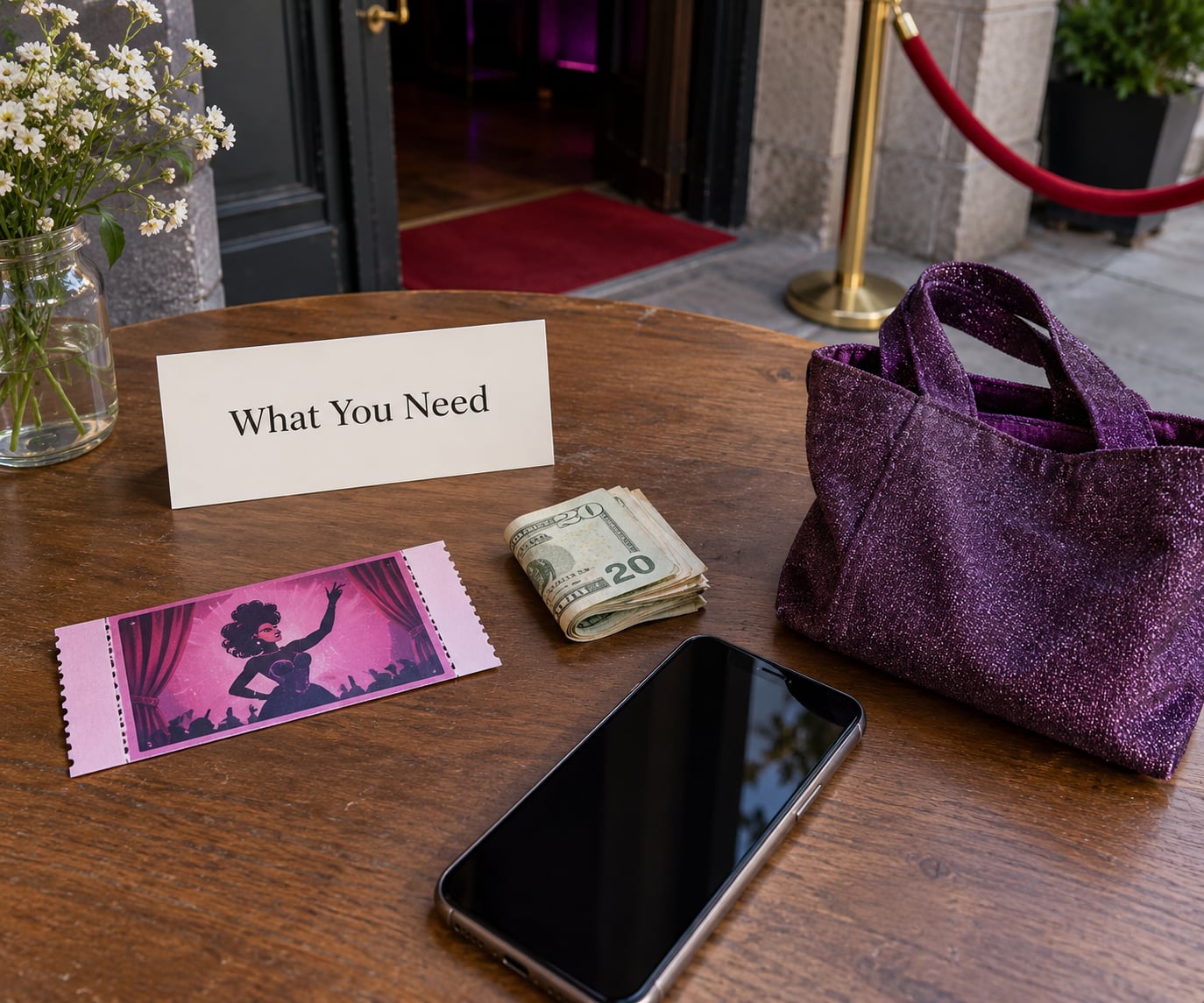
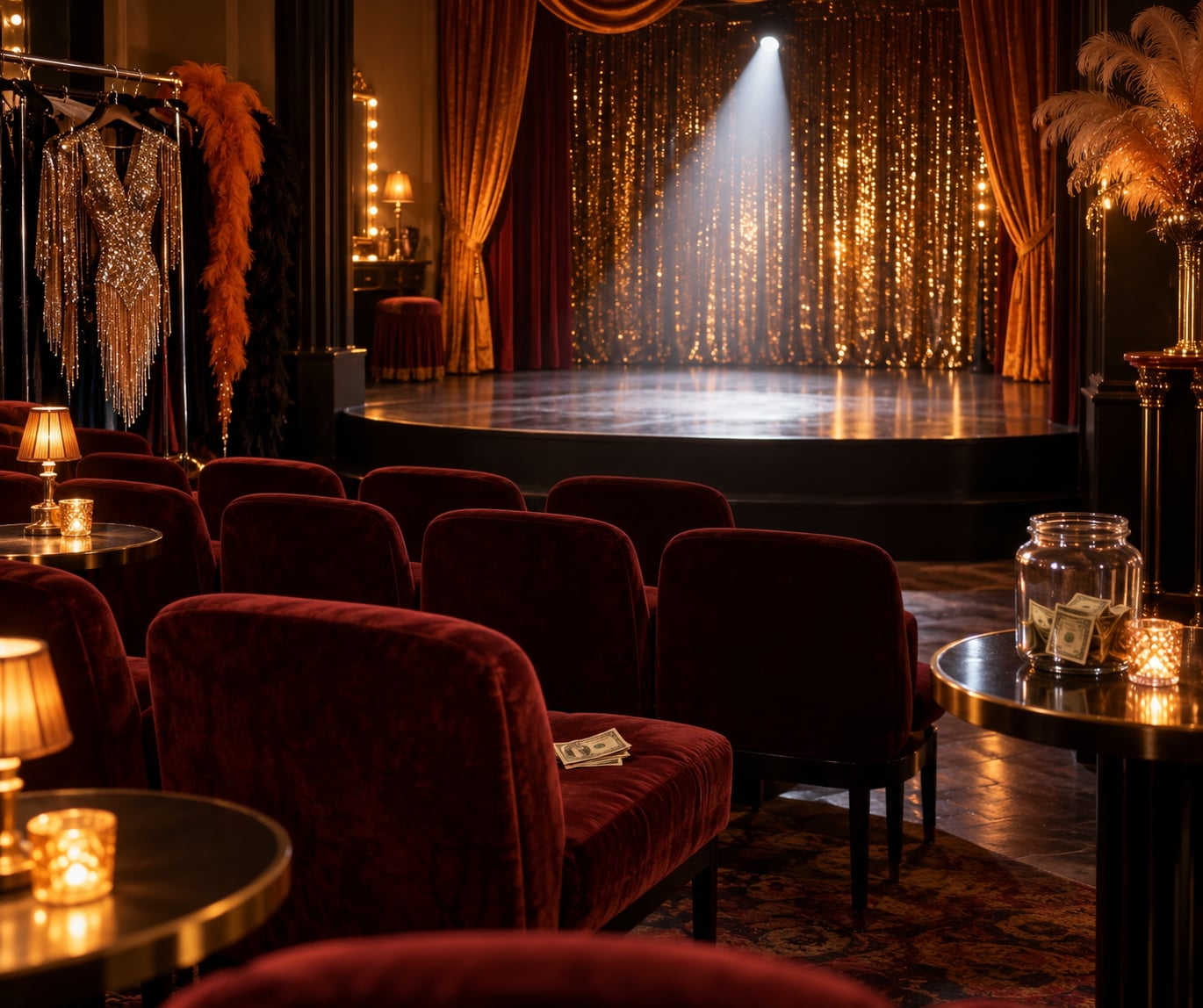
Start with cash. Most venues and nearly every performer take tips in bills and coins, and a card reader at the bar does not cover the stage. Bring more than you think you need, broken into small bills, because a single large bill handed over tends to read as showing off and makes the handoff awkward for everyone.
Next, a ticket. Many drag shows are ticketed in advance through the venue or a resale page, and popular brunches sell out weeks ahead. The listing page usually tells you the show length, whether there is a drink minimum or cover charge, the age policy, and whether the room is step-free or has reserved seating.
Bring a photo ID. A bar can legally admit someone holding a drink only if the name on it matches the person holding it. Straight couples and groups of friends are turned away more often than anyone expects, so check the ID policy before you leave the house.
Plan how you are getting home. A two-drink show runs late, and calling a ride from a loud bar with four people is a worse evening than you planned for. If the venue is on the far side of the train line, that is another reason to leave the alcohol alone.
What you wear is genuinely not a thing. There is usually no dress code, and nobody will be turned away for jeans. If dressing up feels fun, do that. If you want to see what to wear, remember that drag is a fashion craft: showing up in something you feel good in is plenty of effort.
Finally, check the venue’s social accounts in the days before you go. The house rules live there, not on a website. Look for whether phones are allowed during the set, whether there is a photo policy, and whether the show is seated or standing.
Step-by-Step
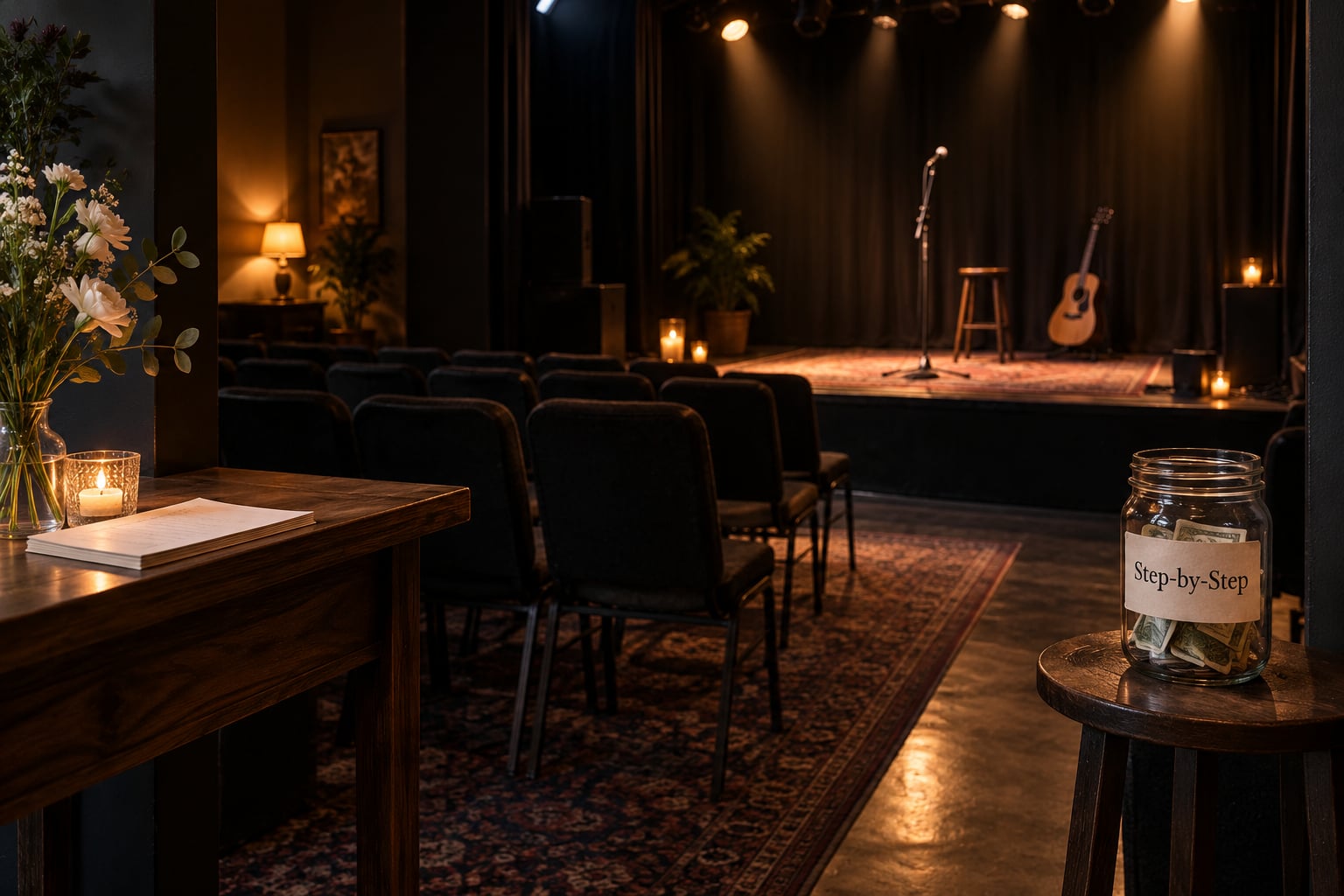
Here is the night in order, from booking the ticket to walking out.
Choose a Show and Buy Tickets
Pick the format before you pick the date, because a neighborhood bar show and a ticketed theater production are genuinely different nights. Bar shows are loose and interactive, with an MC working the room between numbers. Pageants are competitive and judged, with a structured finale. Brunches are long, involve food, and often run two hours or more. Cabaret and burlesque nights lean more on song and dance than comedy.
Check who is hosting. If you came for a specific performer from television, confirm they are actually on the lineup, because most nights feature local talent who are not on any show you have seen. That is not a consolation prize. Local performers are where scenes are made.
Buy ahead, arrive aware of the age policy, and look for accessibility details. Venues publish entrance and restroom notes more often than people expect, and staff will usually tell you the truth if you ask the box office directly.
Arrive and Enter Respectfully
Get there fifteen to twenty minutes early for a bar show, a bit more if you want a good seat or a drink before things start. Walking in after a number has begun means walking in front of the stage, and the performer is working.
At the door, have your ID out, follow whatever the host or door person tells you, and keep the line moving. If there is a host taking names, give yours and follow the seating plan they describe rather than scouting for the perfect empty chair.
Settle in, but do not spread out. If you are at a table with a drink minimum, staying at the table is how you pay for it. Front row is not a free upgrade, and being seated or standing near the stage does not volunteer you for anything. Performers reach out to the crowd for comic effect, and a calm, laughing reaction is worth more than a panicked wave.
Watch the Performers and Show
Put your attention on the stage. Performers report constantly that a flat, silent room drains the momentum of a number, and that loud is optional while engaged is not. React to the things you can see: the costume construction, the wig, the shoe choice, the commitment to the lip sync.
Do not talk over a number. A loud conversation across the room reads as a complaint about the show. Save it for the break, and if you are with a group, the person nearest the aisle can watch for the moment to move.
You are not required to laugh at everything. Drag comedy runs on in-jokes, regional references and callbacks to shows you may never have watched. If a joke lands flat, stay quiet and keep watching. If you get picked on, the best answer is almost always a laugh and some grace, because the read is doing you a favor: you have become part of the show for thirty seconds.
Hands stay to yourself. Performers describe being grabbed, pulled or held mid-routine as the single most disruptive thing an audience can do, because costumes are pinned and glued rather than sewn, and heels are not designed for a tug of war. This includes the wig snatch bit, which is a joke about a headpiece that costs real money, never a request for consent.
Tip and Show Appreciation
Tip the performers. A show where nobody tips is a show where the room goes quiet halfway through, because that income is part of what the night pays for. Bring small bills, and hold the money in your hand before the performer reaches you so the exchange takes two seconds instead of a production.
Extend your arm and let them take it. Do not dangle a bill in front of them, wave it around, or drop it somewhere improvised. Do not fold it into a paper airplane. Do not make the handoff a joke, because the joke is on them, not you.
You are not obligated to tip every performer in the lineup equally. If one number genuinely got you, tip that one more heavily, and split the difference on the ones you liked but did not love. Tipping a performer you did not enjoy slightly, because they gave the room a good twenty minutes, is normal and generous.
Compliments land best in person and specifically. Saying a performer’s tailoring was incredible, or that a joke about your hometown made your whole night, goes further than a shout of a drag name from the back row. Save a drink for the meet and greet if the venue has one; that is the part of the night where you can say the thing you could not shout over the music.
If you post a photo or clip afterward, tag the performer. They get usable content out of it, and you get a follow-back. If you filmed during the set, keep it respectful, and check whether the venue or performer has asked for phones to stay away before you hold one up.
Leaving the Night
Let the finale finish before you leave. Walking out during the closing lineup reads as bored, even if you had a great time. Say goodnight to the performers if you got their attention, and do not follow anyone out to their car.
The best follow-up is simple: follow the local performers, show up at their next show, and tip again. Venues that feel empty tend to lose their booking, and local talent is what keeps a scene alive.
Common Mistakes
Arriving late. You walk in, find a seat in the dark, and settle in during someone’s number. Come early instead. If you are late on purpose, wait outside until the room settles.
Talking over the show. The most common complaint from performers, and the fastest way to get yourself read from the stage. Your conversation is not the show.
Touching the performer. Hair, costume, shoes, hands: do not reach for any of it, even as a joke, even if the joke seems to be inviting it. If you want to compliment the look, say it with words.
Grabbing the wig. This one gets repeated in every performer-backed etiquette guide for a reason. Wigs are styled by hand with glue and pins, and a tug undoes hours of work in a second.
Filming without checking. Some performers and venues say no to phones during the set, and some encourage it. Read the room, check the house rules, and never put a phone in a performer’s face from the front row.
Interrupting to be part of it. You do not need to get on stage, sing along, or insert yourself into a bit. Being a good audience member is a real contribution, not the lesser one.
Assuming someone’s gender or pronouns. Use the name and pronouns the performer uses, and follow the room’s lead. A drag queen is a drag queen regardless of what is underneath, and getting it right in public is the bare minimum.
Expecting a television show. Small local shows can be four performers lip-syncing in a bar with a tip jar, and that is a legitimate show, not a failure. If you want the interactive, high-energy version, look for a hosted revue or a bigger Friday or Saturday bill.
Treating the room as a show to be gawked at. This is a working artist’s stage in a community space, not an exhibit. Sit with the audience, not above it.
Frequently Asked Questions
Do I need to tip at a drag show?
Bring cash and tip if you can. Performers frequently work on tips, and their wigs, padding, costumes and heels come out of their own pockets. Small bills are easier to hand over than one large note, and you do not have to tip every performer equally. If money is genuinely tight, buying a drink at the bar still supports the room.
Is it okay to take photos or videos at a drag show?
It depends on the show and the performer. Many venues allow short clips during a number, and a lot of performers welcome content they can repost. Some artists and smaller rooms ask for no phones during the set. Read the house rules, ask when you arrive, and tag the performer when you post. Never hold a phone inches from a performer’s face.
Can I bring friends who have never seen a drag show?
Yes, and telling them the basics beforehand saves everyone an awkward moment. Give them the three that matter most: tip the performers, hands off the costume and wig, and stay off the stage unless invited. Ask them to keep phones down during numbers. A group that has read this page together is a much better audience than a group that has not.
Should I laugh at every joke during a drag performance?
No. Comedy in drag is dense with callbacks and references, and nobody expects a stranger to land every punchline. Laugh where it is genuinely funny and stay attentive everywhere else, because the silence after a joke reads as silence about the whole performance. Warm reactions to the costumes, the lip sync and the hosting go a long way with a room.
What should I do if I do not understand a joke or reference?
Nothing at all. Missing an in-joke is completely normal, and asking a performer to explain it mid-set is the one thing that genuinely disrupts a show. If the running joke matters to you, ask a friend who knows the scene, or ask the performer at the meet and greet, where the conversation is already yours. Performers are generally delighted to explain the history behind a bit.
How early should I arrive for my first drag show?
Aim for fifteen to twenty minutes before the advertised start, and thirty if you want a drink first or a seat near the front. Arriving after a number has begun means crossing in front of the stage while someone is working. Doors often close or the room darkens at the top of the hour, so a late arrival means standing at the back for the whole show.
Conclusion
Start with the part that matters most: treat the performer as a working artist. Tip them, keep your hands to yourself, stay off the stage, and give the number your attention. Follow the venue’s own house rules, and let the performers set how much audience participation they want.
Beyond that, loosen up. A drag show is entertainment, and being quietly pleased with yourself for getting every joke is not the job. Bring cash, arrive early, and plan to come back, because the second time you go is when it actually gets fun.