A wardrobe that fits your style is a small, intentional set of clothes you genuinely enjoy wearing, chosen to mix and match easily and to match how you actually live. You build one by naming your style in a few words, clearing out what you never reach for, adding a foundation of versatile staples in a limited color palette, then adding a few signature pieces and testing everything with real outfits.
It takes an honest afternoon to audit what you own and about a season of small, deliberate purchases to rebuild from there. The work is less about finding the perfect clothes than about removing the noise around them.
Table of Contents
What You Need Before You Start
Building a wardrobe that fits your style goes wrong when people start shopping before they know what they are shopping for. Spend an hour on the prep and the buying gets much easier.
Your real weekly schedule
Write down the places you actually go in a normal week, not the ones you wish you went. Office days, a day working from the kitchen table, a gym, dinner at your parents’ house, a birthday, a bar, a long weekend somewhere cold. Most wardrobes fail because they were built for a life that takes up maybe two of those slots.
A spending ceiling you set in advance
Pick one number for the next three months and treat it as spent. A fixed ceiling works because it forces you to rank what you actually want. It also makes the secondhand and resale option a normal part of the plan rather than a fallback.
Three to five style words
Write the words that describe how you want clothes to feel, not how you want to look. Soft, sharp, warm, unstructured, plain, colourful, easy. People who pick three words this way say the words break the paralysis fast, but they still need a concrete list to act on, so treat the words as a filter, not the goal.
Tools for the audit and the outfit test
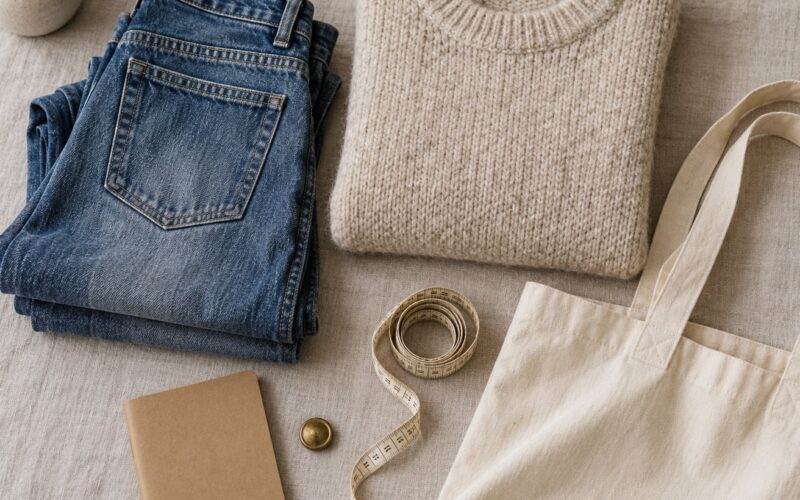
You need less than people expect: your phone for photos, a measuring tape, a note or spreadsheet app, a garment rack or a hook over the door, and a small notebook or note list for outfit combinations.
For the audit itself, closet-tracking apps that let you photograph each piece and tag it by color and category are genuinely useful, because they turn a heap of clothes into a list you can plan from. If you would rather not use an app, a shared photo album plus a note works the same way.
Step-by-Step: How to Build a Wardrobe That Fits Your Style
Step 1: Define Your Personal Style
Start with evidence instead of adjectives. Look at the last ten outfits you wore that felt genuinely good and write down what they had in common: the silhouette, where the seams sat, how fitted or loose everything was, the colors, the fabric weight.
Those outfits are your style already. Most people are looking for a taste they have not noticed, not a new personality to invent.
Then settle four things in writing:
- Silhouette. Straight and boxy, or shaped and close. Try both in front of a mirror before committing.
- Color palette. Pick two neutrals you are happy to wear constantly, then two or three accents. Everything you buy should live in that set.
- Mood. How you want to feel in the clothes, which is usually closer to your real style than the look you think is flattering.
- Comfort level. Some days you want structure and some you do not. Decide which version is your default and which is the special-occasion version.
People who cannot settle on a look usually have conflicting answers to the mood question, not a missing wardrobe. Classic, bold and minimal can coexist if one of them is the base and the others show up as accent pieces.
Step 2: Audit What You Already Own
Pull everything out and sort it into five piles: keep, repair, tailor, donate and replace. Doing it in one session matters, because items only reveal themselves once they are side by side rather than hanging in a row.
- Keep anything worn in the last three months that fits well and fits your style words.
- Repair small failures: a loose hem, a missing button, a zip that sticks. Cheap fixes buy you another season.
- Tailor anything you love that fits wrong. A pair of trousers taken in at the waist is usually worth more than a new pair of trousers.
- Donate what you have not worn in a year and feel neutral about.
- Replace what you love but wear out constantly, and write it on the shopping list for step 5.
Photograph and tag every keeper as you go: category, color, fabric, and roughly how warm it is. That tagged list is the single most useful thing you will own during this process, because it lets you build outfits on paper instead of standing in front of an open closet at 8am.
Step 3: Build a Reliable Clothing Foundation
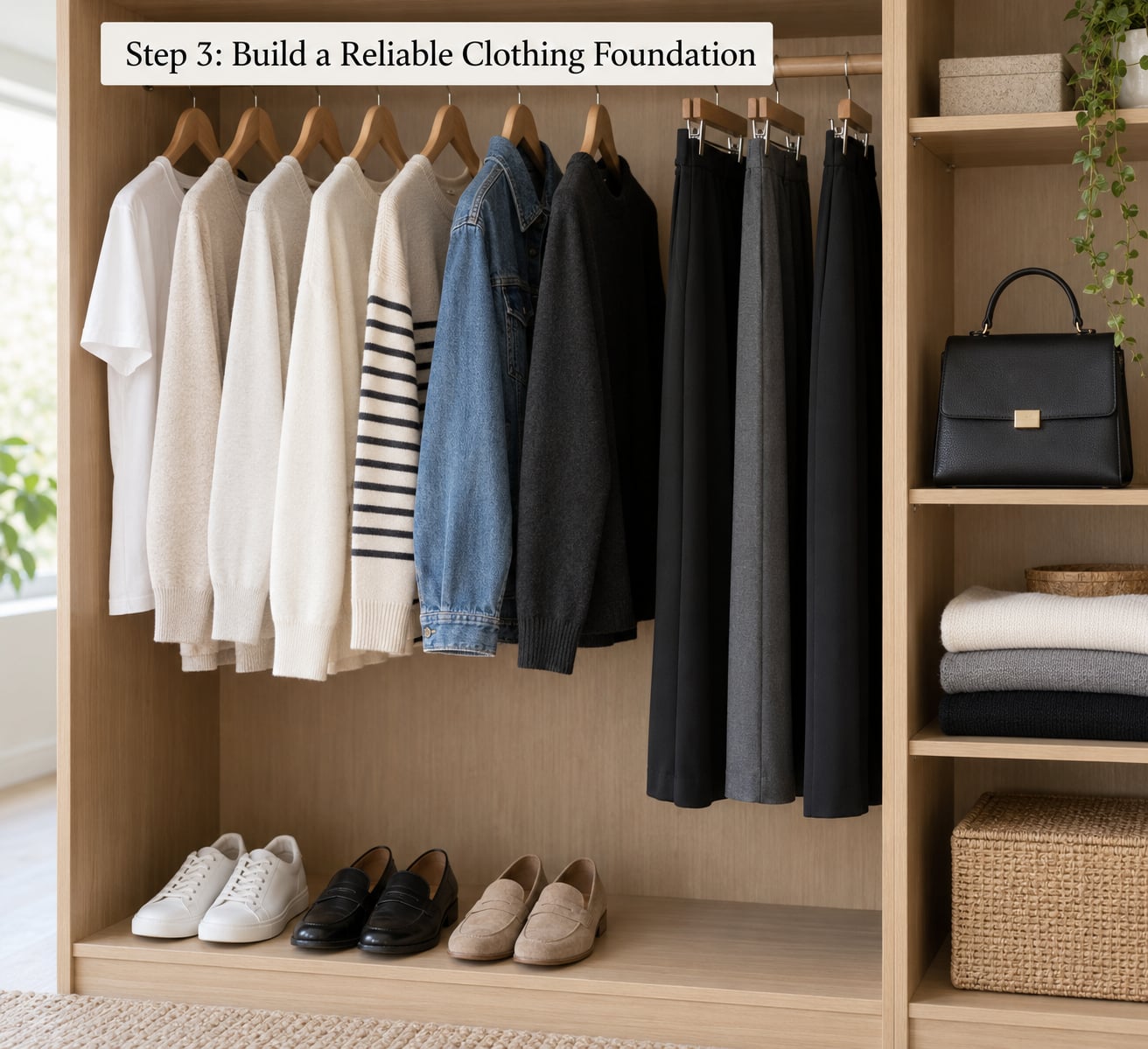
The foundation is the boring part that makes everything else possible. Pick pieces that work with at least three others in your palette, and buy those before anything expressive.
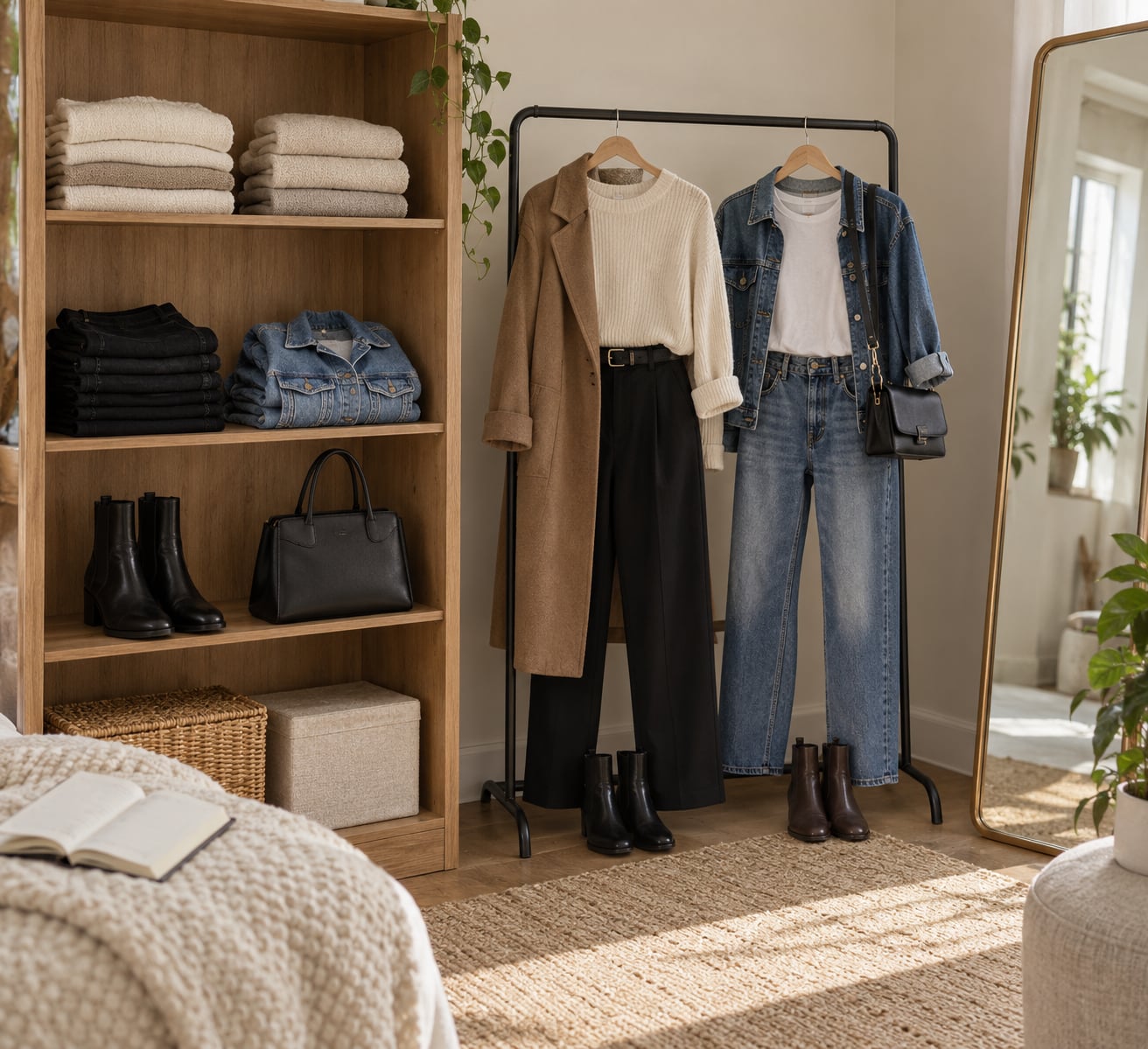
A workable starter set, sized for one person:
- Tops (start with 5). Crew or V tee in white and black, striped long sleeve, button-down, plain tank.
- Bottoms (3). Dark straight jeans, black trousers, one skirt or second jean with a different cut.
- Layers (3). Mid-weight knit, denim or chore jacket, overshirt.
- Outerwear (2). A warm coat and a lighter jacket that closes over the coat.
- Shoes (3). Everyday pair, boots, one cleaner pair for evenings.
- Accessories (4). Bag, belt or strap, earrings, one piece of jewellery with an opinion.
That is roughly 20 pieces, which is enough to get dressed without thinking for several months. Add to it, never restart it.
In a city with four real seasons, buy for layers rather than for one coat. A shell that blocks wind, a knit that works under it, and something that survives a wet commute is a more useful three-piece investment than a single heavy coat you cannot wear for eight months of the year.
Step 4: Add Signature Pieces
Now, and only now, add the items that make the outfit yours: an outer layer with an unusual cut, a patterned shirt, earrings that get noticed, shoes with some attitude.
Keep this list short. Three or four signature pieces is plenty, and each one has to be tested against the foundation rather than against your imagination.
Try each one with three different foundation combinations before it earns a permanent place. If it works once in a photograph and never in real life, it is decoration, not a wardrobe piece.
Signature pieces are also how you keep a wardrobe from flattening out. A knit, a boot and a piece of jewellery change the read of the same base outfit, which is how you express yourself at work on Friday and at a bar on Saturday without owning two wardrobes.
Step 5: Shop Intentionally and Test Outfits
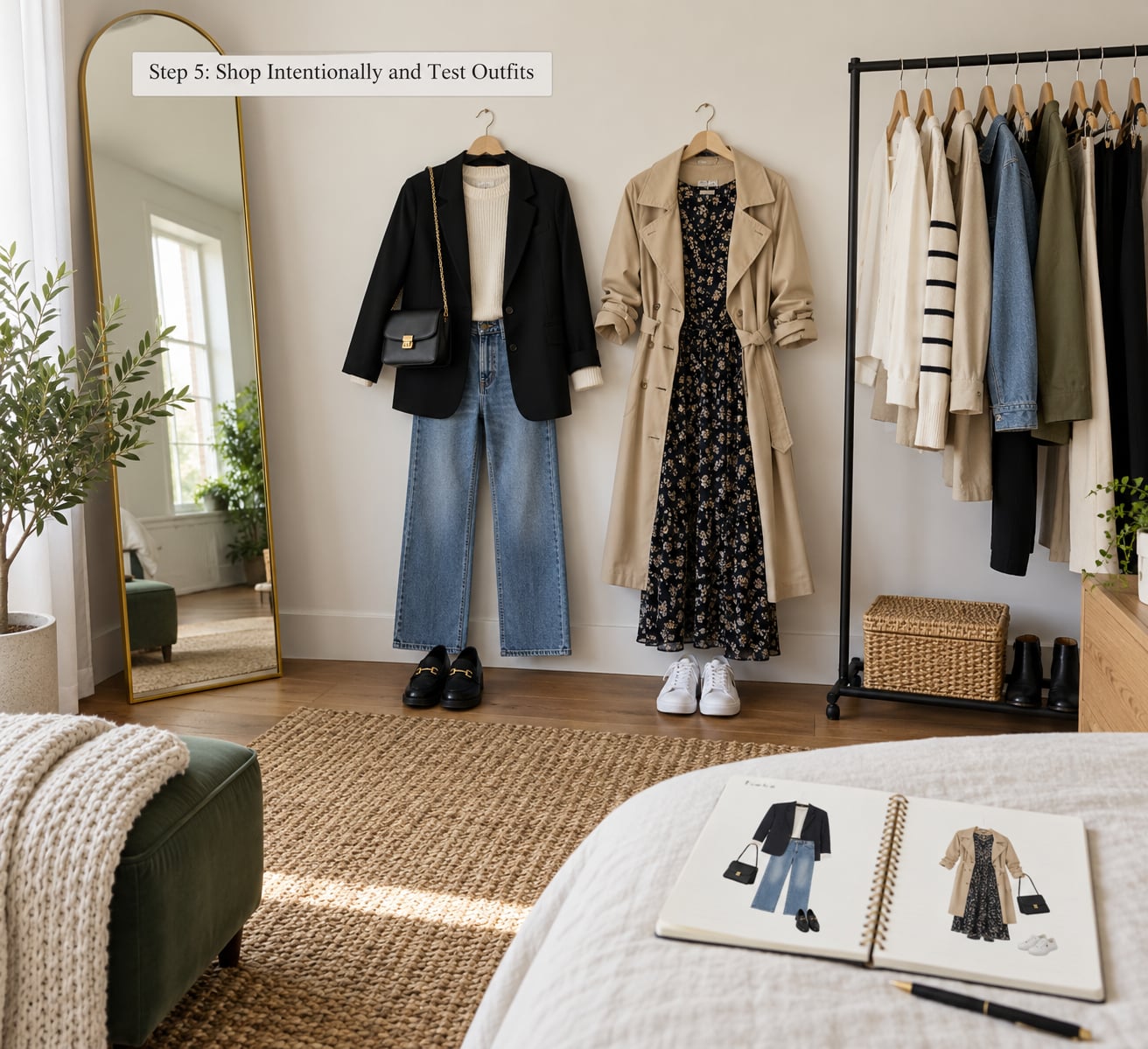
Now go shopping with the list from step 2 and the palette from step 1 in your phone. Check six things before you pay:
- Fit on your body, not your label size. Move, sit and reach in the fitting room.
- Color coordination. Does it sit inside your palette, or will it need everything else to be neutral?
- Combination count. Name three outfits it works with. If you can only name one, skip it.
- Wear frequency. How many days a month would you reach for it realistically?
- Care. Hand wash or dry clean only eats the value of an item you cannot maintain easily.
- Cost per wear. Divide what you paid by how many times you expect to wear it over a year. A pricier pair of trousers that works with everything beats three cheap pairs.
Then run a repeat test. For 30 days, wear every new piece at least five times and log the combinations that worked in your notebook. Items that never get chosen come out of the rotation, and you learn your real outfit formulas instead of guessing at them.
That formula is the useful part. Once you know that a certain knit works with two pairs of trousers and one pair of jeans, getting dressed stops being a daily decision and starts being a repeat.
Common Mistakes
Buying duplicates. Three grey tees that all look the same on the rail cost you variety, because they only work with each other. Before buying anything neutral, check your tagged list. If you already own two, buy the color instead.
Ignoring fit in favour of size. A garment in your usual size can still be wrong at the shoulder, the hip or the sleeve. Get altered rather than returning, and treat the tailor as part of the wardrobe budget.
Chasing a trend with no occasion. Most trend pieces are bought for an imagined version of your life. Fix: if you cannot name the real place you would wear it, it does not enter the wardrobe.
Going all-neutral with nothing expressive. A wardrobe of beige basics is tidy and forgettable. Two or three accent pieces fix that without disturbing the foundation.
Ignoring your climate. Buying a capsule designed for a mild climate leaves you cold for half the year. Layering solves this in a way that buying heavier single pieces does not.
Neglecting maintenance. Pilling, faded elbows, dead elastic and stretched hems make good clothes look tired. Wash on cold, hang knits folded, deal with small repairs early, and store wool properly in summer.
Letting the closet overflow. A crowded closet creates the nothing-to-wear feeling. Give every item a job, and if a piece has no role for the season ahead, it goes.
Frequently Asked Questions
How many pieces should a personal wardrobe have?
A functional starting wardrobe is roughly 20 to 30 pieces: about 5 tops, 3 bottoms, 3 layers, 2 outerwear pieces, 3 pairs of shoes and 4 accessories. That number suits most people because it covers a week of different contexts. Add pieces only when you notice a specific gap, such as nothing warm enough for winter or nothing that works for evenings.
What if I do not know my personal style yet?
Start with the outfits you already like rather than with search terms. Look at the last ten things you wore that felt good and write down what they share: the silhouette, the colors, how fitted everything is. That pattern is your style. Shop words like minimal or vintage are less useful than the actual garments you keep reaching for.
How can I build a wardrobe on a tight budget?
Buy secondhand first for the foundation, especially denim, trousers, boots and outerwear, and save new money for the pieces that are hard to find in your size or hard to fit. Track cost per wear rather than price, and set a three-month spending ceiling so a single trip cannot undo it.
Should a wardrobe include items for work and special occasions?
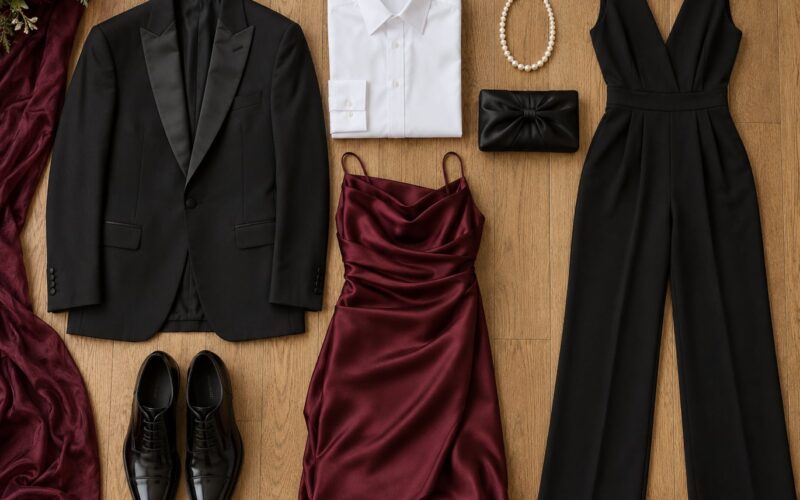
Yes, but in small numbers. Two pieces that read as office-appropriate, usually trousers and a layer, plus one pair of cleaner shoes cover most working weeks. For events, one signature piece that can move from day to evening is more efficient than a separate occasion wardrobe you use twice a year.
How do I stop buying clothes I do not wear?
Separate wanting from needing. Every purchase goes on a list, waits at least a week, and has to be justified with three outfits it already works with. Then log what you actually wear for 30 days and compare it with what you bought. The gap between those two lists is where most impulse spending goes.
How often should I review and update my wardrobe?
Do a full audit twice a year, at the end of each season, and a quick five-minute check every Sunday evening. Seasonal audits catch worn hems, faded colors and pieces that no longer match your life, such as work clothes you no longer wear or a style your life has moved past.
Conclusion
Building a wardrobe that fits your style comes down to the order you do things in. Name your style in a few words, audit what you own and clear out the dead weight, build a foundation of about 20 pieces in two neutrals and two or three accent colors, then add three or four signature pieces and test them for 30 days.
If you do one thing this week, take everything out of the closet and sort it into those five piles. The list you build on the floor is the shopping list you actually need, and it is usually much shorter than you expect.