How to volunteer at a Pride festival comes down to four things: find the local Pride organization’s volunteer page, fill out its application, attend any required orientation, and then work the shifts you sign up for. Most events need no prior experience, just reliability and a willingness to follow the organizer’s own procedures rather than your own instincts.
It is also less work to prepare than people assume. A volunteer application takes about ten minutes, shifts usually run a few hours, and the hard part is honestly the sun. What you get back is a t-shirt, festival access, and a front-row seat to an event that a small nonprofit could not otherwise pull off.
Table of Contents
- What You Need
- How to Volunteer at a Pride Festival, Step by Step
- Frequently Asked Questions
- Do I need Pride volunteer experience before applying for a Pride festival?
- What should I wear when volunteering at a Pride festival?
- Can straight allies volunteer at a Pride festival?
- How early should Pride festival volunteers arrive?
- Can minors volunteer at a Pride festival?
- What should I do if my volunteer schedule or accessibility needs change?
- Conclusion
What You Need
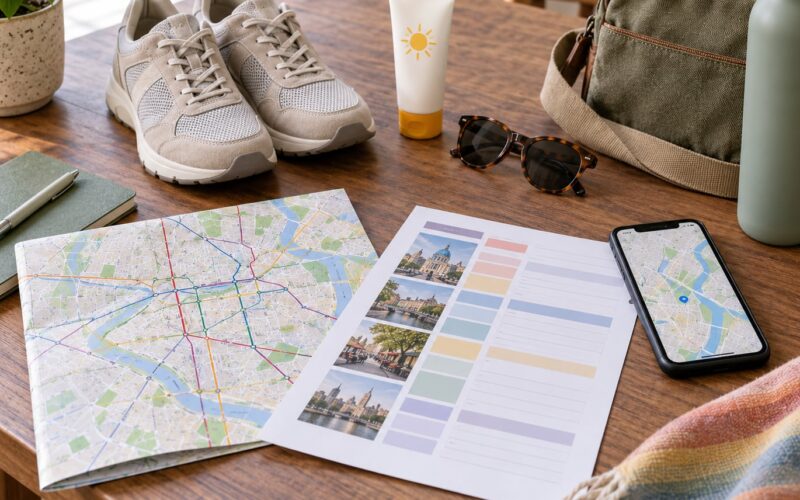
Every Pride organization runs its own volunteer crew, so the exact list changes by city. These are the items that show up on almost every call-out, plus the few you have to sort before you apply.
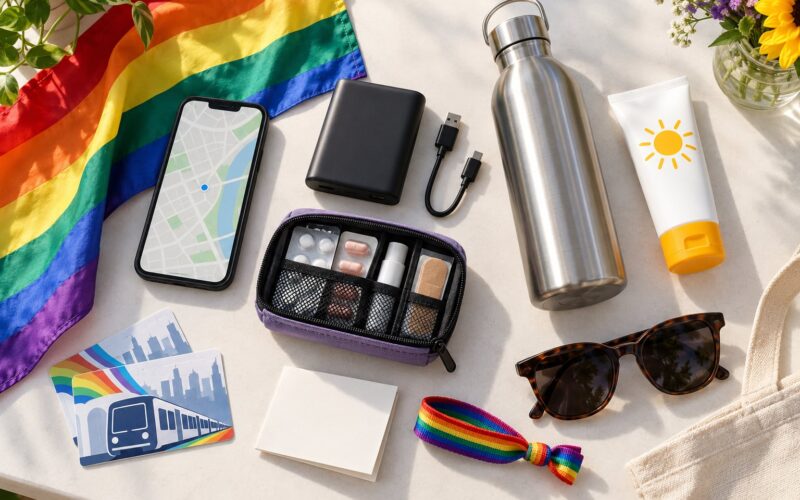
- Government-issued photo ID. Many events check ID at credential pickup, especially when volunteers get free admission or access to a ticketed area.
- Your contact details, current and reliable. Organizers use these for shift confirmations, weather calls, and last-minute changes.
- Closed-toe shoes you can stand in for hours. This matters more than anything else on the list.
- A reusable water bottle, sunscreen, and a hat. Most Pride festivals are outdoor summer events with long stretches of no shade.
- A rain layer. Afternoon storms cancel more shifts than heat does, and organizers rarely send people home for a passing shower.
- A charged phone. Your duty manager’s number, the radio channel, and the meeting point all live there.
- A small bag. Whatever goes in it stays on you, so pack light.
Comfortable clothes beat a good outfit. You will be on your feet, in the sun, near a stage with music louder than you expect. Plan on dressing to move and to sweat.
Two things to sort before you apply rather than after. If you have a disability, decide what you want to ask for: a step-free assignment, scheduled breaks, a seated role, or a communication accommodation. And if you might bring a teenager, check the age minimum, which is usually 16 or 18 and sometimes depends on the specific role.
How to Volunteer at a Pride Festival, Step by Step
Step 1: Choose the Festival and Volunteer Role
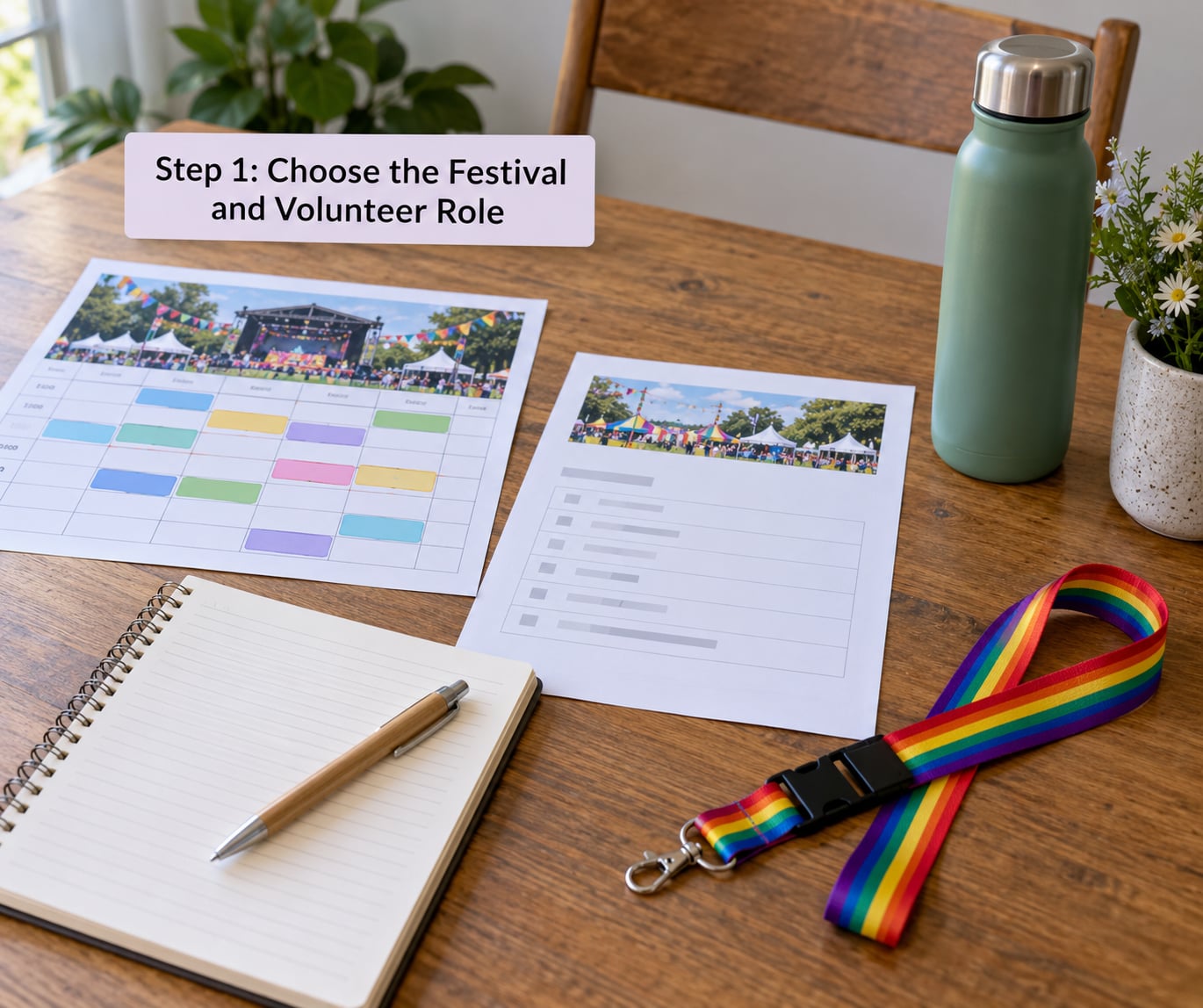
Start by narrowing the field. Big cities run several Pride events: a march, a street festival, a run, a beach party, and often a smaller celebration in a different neighborhood. Each has its own nonprofit behind it with its own volunteer crew, so picking the right one saves you a wasted application.
Compare them on a few practical points. Look at the dates and how much of a day each one runs, whether the event is fully outdoors or partly indoors, whether the organization publishes an accessibility statement, and what the age minimum is. Then read the mission. A long-running march and a family-friendly street fair need different things from a volunteer.
Once you have picked the event, pick a role. Here are the ones that show up most often, and none of them need event-management experience to start.
- Information point or info booth. Answering questions, handing out maps, pointing people toward stages and restrooms. The most common first-timer role.
- Parade marshaling and route stewardship. Keeping the route clear, guiding groups into position, holding signs at street corners.
- Guest services and welcome. Greeting people at the entrance, managing a lost-and-found, being the friendly first face of the day.
- Festival set-up and pack-down. Carrying signage and barriers before the gates open, and the long cleanup afterward. The most physical work.
- Vendor assistance. Helping food and craft vendors set up, keep their booths supplied, and get anything heavy carried in.
- Performer and artist support. Backstage runner, green room logistics, keeping artists to their call times.
- Accessibility assistant. Guiding people through the venue, finding seating, flagging access issues to the duty team.
- Awareness team. Trained de-escalation volunteers who handle conflict and distress. Never sign up for this without the training.
- Medical team. Licensed or certified responders only, and only with credentials.
- Waste reduction crew. Sorting and collecting recycling through the site, keeping the ground clear.
- Photography and social. Documenting the event for the organization’s accounts, if it offers the role.
- Year-round committee work. Planning, fundraising, sponsorship outreach, and year-end events. The quietest way in.
If you have a specific skill, say so on the application. Photography, sign language interpretation, medical training, languages other than English, and heavy-lifting ability all get noticed quickly, and a group of friends signing up together sometimes gets overlooked when a specific skill is needed.
Step 2: Find and Apply for a Volunteer Opening
Go to the official source, because that is the only reliable answer to how to volunteer at a Pride festival. The Pride organization’s own website comes first, and most have a volunteer or get-involved page that is genuinely up to date. Second best: the organization’s verified social accounts, which is where they post last-minute shift openings when someone drops out.
If a city’s Pride has no obvious page, local LGBTQ+ centers, community organizations, and neighborhood groups usually know who runs it. A short search for your city name plus the event name plus volunteer gets you there faster than scrolling a directory.
When you do find the form, fill it in with real information. List the dates you are actually available, including which hours you cannot do, and note any skills or accessibility needs in the box provided for them. Volunteers report that silence after applying is the single biggest reason people give up on the process, so if you hear nothing in about a week, one polite follow-up email is completely reasonable.
Step 3: Complete Interviews, Screening, and Training
Some events run a short conversation, either one-to-one or in a group. Expect ordinary questions: why you want to volunteer, how you handle someone having a hard time, whether you can work outdoors in heat, whether you have experience with children, and how you would respond to harassment.
Some roles carry extra requirements. Awareness team members usually need de-escalation training, and medical roles need current certification. A background check shows up occasionally for staff-adjacent or youth-adjacent positions, and a liability waiver is common. Treat any of these as normal rather than as a red flag.
Orientation is the part that makes the day run smoothly. It is often an hour, sometimes two, sometimes online the week before. This is where you learn the code of conduct, the chain of command, who your duty manager is, what the radio protocol sounds like, and what happens if an incident occurs. Read the code of conduct before you arrive. Large events publish a formal code of ethics, and it is short.
If you need an accommodation, ask for it during orientation rather than on the day. Organizers plan assignments weeks ahead, so a request for a seated role or a shortened shift is easy to honor when it comes early and awkward to honor on a Saturday morning.
Step 4: Confirm Your Shift and Prepare
Get the details in writing before the day. You want the exact date, the check-in time, the location, who to ask for, what you are wearing, and what is provided. Many events hand out a t-shirt, a badge, meals, and water, and it is worth knowing which of those you need to supply yourself.
Save the meeting point in your phone the night before. Save the duty manager’s number. Ask what happens if it rains, what the radio channel is, and what the plan is if an incident happens during your shift.
Plan your own transport. Parade routes close early, street parking disappears, and transit service gets rerouted for the route. Being stuck across a closed street an hour after your shift ends is a bad way to end a good day.
Eat before you report, hydrate on the way, and bring more water than you think you need. The mental preparation matters as much as the physical one. Read the incident procedure, because the single most common problem on a volunteer crew is someone facing a situation they had no training for and nobody had told them what to do.
Step 5: Volunteer Safely and Respectfully
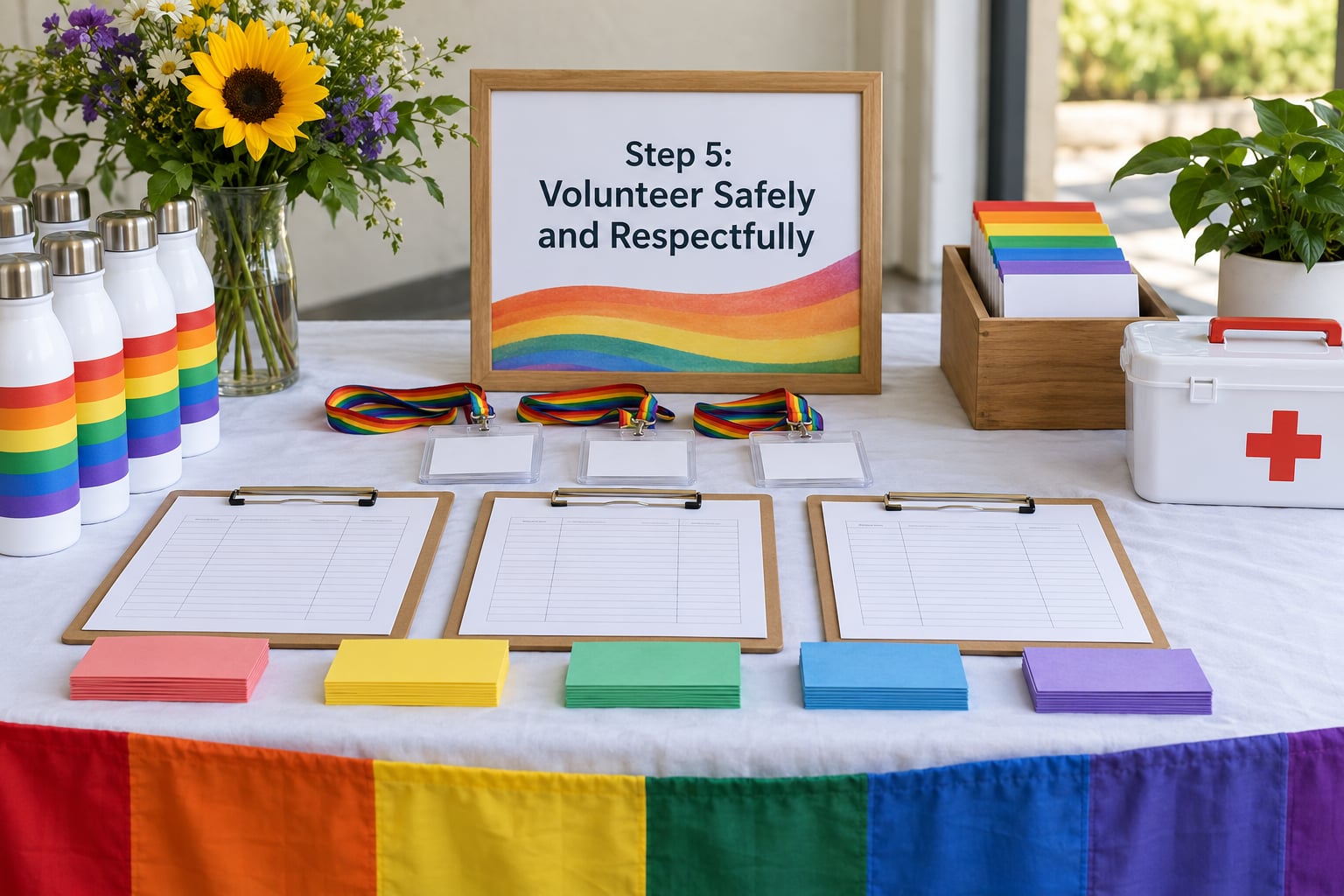
Arrive fifteen to thirty minutes early for check-in, get your credential, and find your lead before the shift starts. Ask who to report to and how they prefer to be reached. Keep your badge on the whole time; it tells attendees and staff who you are and who you answer to.
On shift, do the briefing’s job. Be welcoming, use the names and pronouns people give you, and let the organizer set the boundaries. If you do not know, say so and find out. The instinct to solve it yourself is what gets volunteers in trouble.
Escalate rather than resolve. If someone is distressed, a fight breaks out, someone needs medical help, or a person is being harassed, radio the duty manager and follow their instructions. You were not hired to be a therapist, a security guard, or an emergency responder, and the event has trained people for each of those.
Do not improvise safety procedures. If the plan says volunteers stay behind the barrier, stay behind the barrier. If a route needs to be cleared, wait for the team that owns that job.
Take your breaks. A volunteer who has not had water in four hours is not helping anyone, and most shifts are built with rest built in for a reason. Tell your lead if you need to step away, especially if you are going off-site.
Protect people’s privacy. Do not post photos of attendees, staff, or other volunteers without asking, and never share internal documents, radio channels, or incident details online.
If a counter-protest or a hostile spectator is likely, organizers have a plan already. Stay with your assigned group, keep moving, and do not engage. A job during a demonstration is to follow instructions, not to win an argument.
Step 6: Wrap Up and Stay Involved
Before you leave, hand off cleanly. Tell your lead what happened during your shift, what is unfinished, and anything that needs attention. Return radios, credentials, or borrowed equipment, since unreturned kit is why some events run short the next day.
Ask about volunteer hours if you need them for school, a program, or a service requirement. Get them logged while the coordinator still remembers who was on which shift.
Say thank you to the organizers by name or email. A specific note to a volunteer coordinator is read, and it is exactly the thing that decides who gets called first next year.
Then stay involved. Most Pride organizations run committee meetings through the year, and the event-day crew is drawn from people who showed up more than once. Committees handle planning, fundraising, sponsorship, and the year-end events, and the work is far less public than a march route but arguably harder to replace.
You can also help without being on site. Design and print materials, run social accounts, do sponsorship outreach, or translate something. Volunteers consistently mention remote help as the easiest way to stay useful when a schedule or health makes event day impossible.
Common Mistakes
Arriving without confirming the details. Showing up at the wrong entrance twenty minutes before check-in closes wastes your shift and a coordinator’s morning. Fix: screenshot the check-in time and location the night before.
Signing up for hours you cannot actually cover. Backing out the night before is the fastest way to stop hearing from an organization. Fix: be honest on the application about your real availability.
Skipping orientation or the code of conduct. The briefing is where the day is actually decided, and it happens once. Fix: put the orientation in your calendar like a dentist appointment.
Promising things outside the organizer’s scope. You cannot authorize refunds, change a set time, or make a policy exception. Fix: route those questions to the duty manager, even when you know the answer.
Ignoring accessibility or safety instructions. The barriers, the routes, and the briefing exist for a reason. Fix: follow them exactly, and ask for clarification rather than a workaround.
Failing to communicate a schedule change. A quiet no-show leaves a lead short-staffed during the busiest hour. Fix: one email or text the moment you know, even if the answer is that you cannot make it.
Volunteering for a trained role without the training. Awareness and medical positions are genuinely different jobs. Fix: pick an untrained role for your first year, or commit to the full training track.
One last tip. Pride days are long, hot, loud, and occasionally emotionally heavy. People go home wrecked for reasons that have nothing to do with the work. Debriefs exist for that, and most organizations hold one. Go.
Frequently Asked Questions
Do I need Pride volunteer experience before applying for a Pride festival?
No. Most Pride organizations train new volunteers themselves and put no experience requirement on the application form. What they do ask for is reliability, since a no-show on a busy Saturday costs the crew more than an untrained volunteer does. A short orientation covers the code of conduct, the chain of command, and what to do in an incident, so you are not expected to know anything on day one.
What should I wear when volunteering at a Pride festival?
Closed-toe shoes you can stand in for hours, clothes you can move and sweat in, and a hat or sunglasses. Many events hand out a volunteer t-shirt and tell you to wear it over your own clothes, so check the call-out. Skip anything that needs protecting, and bring a rain layer you can shove in a bag. Nobody expects a festival outfit, and everyone expects sunscreen.
Can straight allies volunteer at a Pride festival?
Yes. The great majority of Pride volunteer crews are open to allies, and many are mostly allies themselves. What matters is behavior rather than identity: use the names and pronouns people give you, follow the organizer’s code of conduct, do not speak over queer voices, and do not treat the event as a photo opportunity. Organizers do not ask applicants to prove an identity, and volunteering is community service, not an entry ticket to anything.
How early should Pride festival volunteers arrive?
Arrive fifteen to thirty minutes before your check-in time. That window covers signing in, getting your badge and t-shirt, finding your lead, and hearing any change to the plan for the day. Arriving much earlier just means standing in the sun unpaid, and arriving late can mean a coordinator spends the first part of your shift looking for you. Check-in closes at a set time and volunteers who miss it often lose the shift.
Can minors volunteer at a Pride festival?
Often yes, with a limit. A minimum age of 16 is common, and some events require 18 for certain roles, particularly anything near medical, awareness, or backstage areas. Younger teens may be allowed alongside a parent who is also volunteering. Rules differ by organizer and sometimes by role within the same event, so check the eligibility section of your specific call-out before assuming either way.
What should I do if my volunteer schedule or accessibility needs change?
Tell your coordinator as soon as you know, by email or text, and be specific about what changed. Schedules are built weeks in advance, so an early notice usually means your shift simply moves. If your needs change, say plainly what would work instead, such as a seated assignment, a step-free route, or shorter hours. Organizers plan for accessibility requests up front, and a late request is much harder to honor than an early one.
Conclusion
Start with one specific thing: pick a Pride event near you, open its official volunteer page, and read the eligibility notes before you fill anything in. That single page answers most of what people ask when they search how to volunteer at a Pride festival, and it tells you the age minimum, whether orientation is required, and what the application asks for.
Then apply early. Calls usually open a few months ahead and the better roles fill first, so an early application gets a choice of shifts instead of the leftover ones. Once you are in, prepare for sun, water, and following somebody else’s plan, and treat the role as collaborative community service rather than a performance. Done properly, volunteering is the most concrete way to show up for a community, and it is how most longtime organizers got their start.
Last updated for 2026. Pride volunteer calls are seasonal, so check the organizer’s own page for current dates before you plan around a shift.