How to care for a new tattoo comes down to three habits: wash it gently, keep it lightly moisturized, and keep it away from friction, dirt, and sunlight until the new skin has sealed. A fresh tattoo is an open wound, so those three habits do most of the work. The surface usually closes in two to four weeks, while the deeper layers finish over three to four months.
The rest is mostly restraint. New tattoos flake, scab, itch, and look dull for a while, and that is normal healing rather than damage. This guide is general information, not medical advice, so if anything here matches a warning sign, talk to your artist first and then to a doctor or clinic.
Table of Contents
- What You Need
- Step-by-Step: How to Care for a New Tattoo Day by Day
- Step 1: Follow the tattoo artist’s aftercare instructions
- Step 2: How to wash a new tattoo gently, as directed
- Step 3: Keep the area lightly moisturized
- Step 4: Protect the tattoo from friction, dirt, and sunlight
- Step 5: Monitor healing and adjust activities gradually
- Step 6: Know when to contact a healthcare professional
- Common Mistakes
- Frequently Asked Questions
What You Need
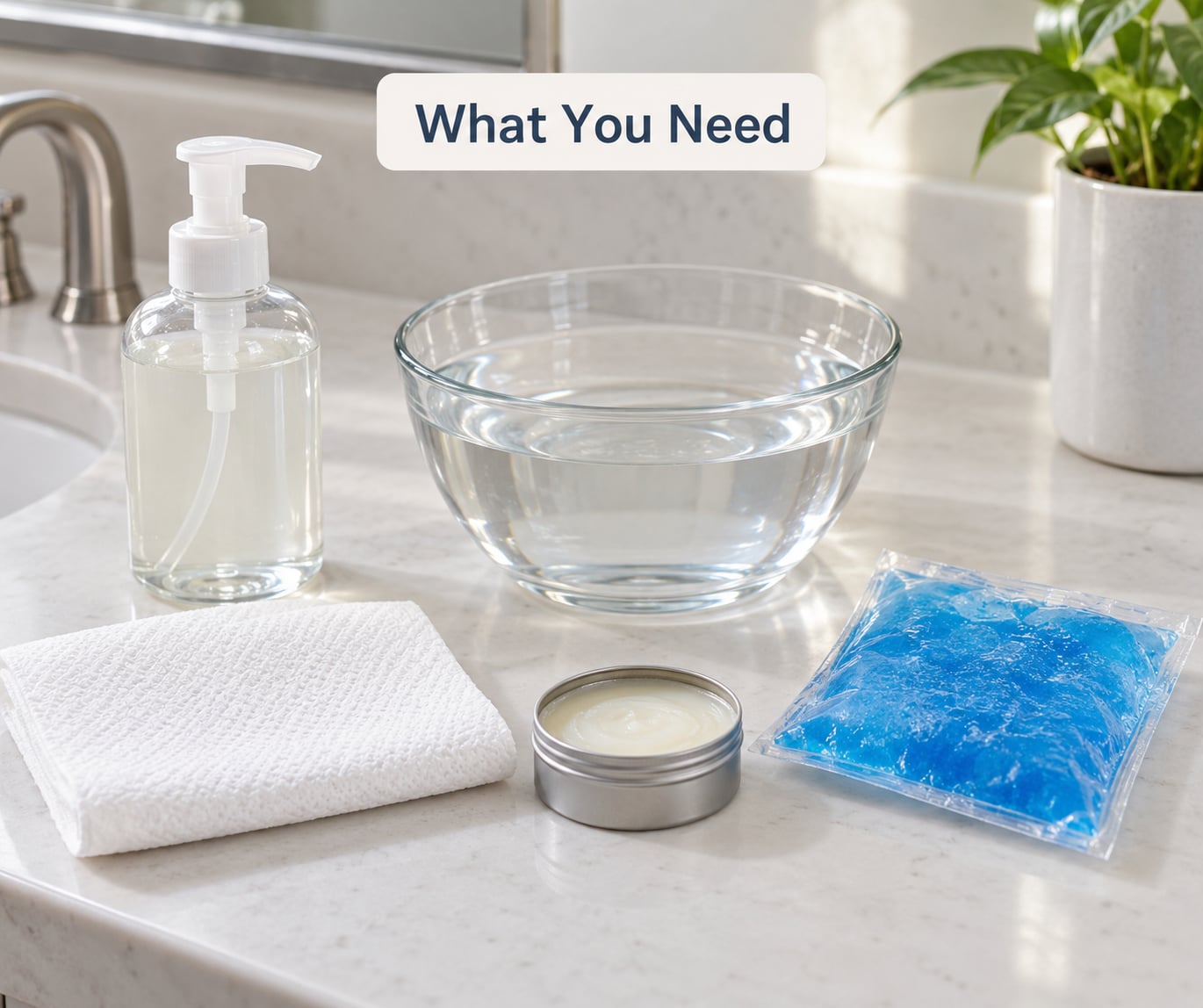
Gather these before you leave the studio or touch the tattoo for the first time. Scrambling for a scented body wash at hour six is how a lot of avoidable problems start.
- A sink you can reach with clean hands, and enough room to wash without splashing the area.
- Lukewarm water. Hot water strips oil and irritates new skin; cold water does not clean well.
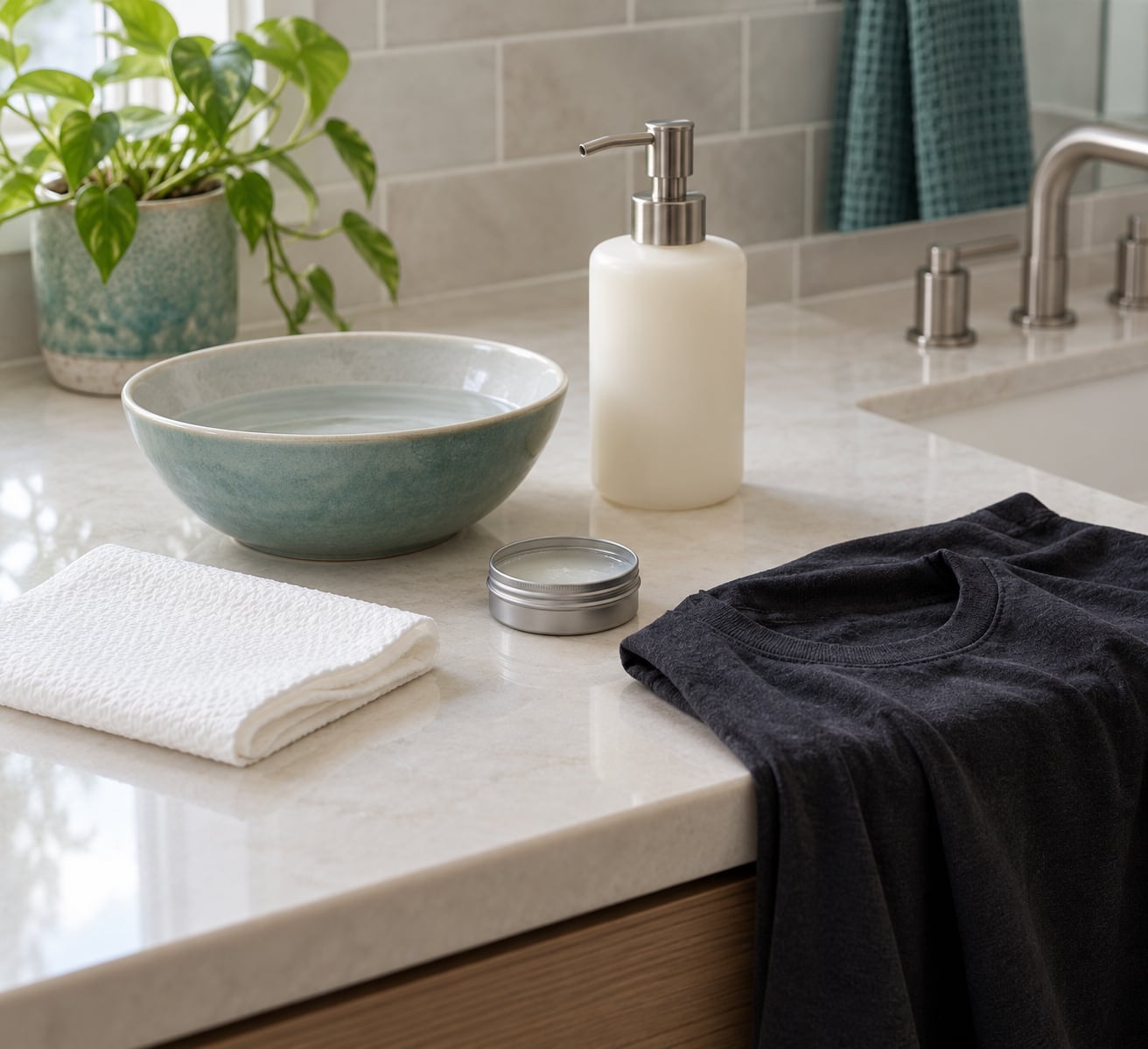
- A fragrance-free, dye-free cleanser. A mild liquid soap works. Scented soaps, antibacterial gels with alcohol, and deodorizing washes are the wrong choice.
- Whatever your artist recommended, which is usually a thin ointment for the first stretch and an unscented lotion later.
- Clean, breathable clothing or a breathable adhesive film if your artist wrapped you with one.
- A clean towel and a paper towel for patting, since a terry cloth loops hold ink and bacteria.
- An old dark pillowcase or sheet for the first nights. Plasma weeping on night one is ordinary, and it stains fabric.
Check ingredient labels rather than brand names. If denatured or ethyl alcohol sits near the top of the list, skip that product. Essential oils, dyes, and fragrance are the other repeat offenders.
Skip the plan to buy an aftercare product until you have talked to your artist. Artists usually stock what they want you to use, and they will tell you plainly if a product is wrong for your skin type.
Step-by-Step: How to Care for a New Tattoo Day by Day
Step 1: Follow the tattoo artist’s aftercare instructions
Your artist handled your skin, so start with their instructions rather than anything you read online. Ask them to name the exact products they used on you, how long they want the wrap left on, and how many times a day they want it washed.
If their advice differs from general guidance, their advice wins for your tattoo. Placement, ink depth, and skin type all change the plan, and they saw the work before you did.
Step 2: How to wash a new tattoo gently, as directed
Wash your hands for twenty seconds before you touch it, every single time, including when you are just checking whether it still feels okay. Then use lukewarm water and a fragrance-free cleanser, working the skin around and across the tattoo with light fingertips. No washcloth, no scrubbing, no soaking, no shaving over it.
Let the water run over the area rather than blasting it, then pat dry with a clean paper towel or a fresh section of towel. Rubbing drags the new skin and pulls ink out of the design. Most artists want this once or twice a day, and several want the very first wash to happen only after the wrap comes off.
If a film was applied instead of a bandage, follow their timing. Remove it with clean hands, warm water, and slow peeling from the edges so you never yank it toward the new skin.
Step 3: Keep the area lightly moisturized
A thin, translucent layer is the goal, so the new skin barrier does not crack while it forms. Dab on a small amount of the ointment your artist recommended, or switch to an unscented lotion once the skin stops feeling raw. Most people need this two or three times a day, and less once peeling starts.
The diagnostic rule tattoo communities on r/tattooadvice and r/tattoos lean on most when discussing how to care for a new tattoo day to day is simple: if the tattoo looks shiny, wet, or greasy after you apply product, you used too much. Let it soak in and wipe the excess off with a clean tissue.
Thick petroleum products are worth skipping for the same reason. A heavy occlusive layer traps moisture and heat against the skin, which soaks ink out of the design and pulls up more scabs than the tattoo needs. If you already did it, rinse gently and go back to a thin layer rather than adding more product on top.
Step 4: Protect the tattoo from friction, dirt, and sunlight
Wear loose, breathable clothing over the area for the first days. Tight waistbands, waist flapping against ribs, tight shoes, straps, and sleeves that rub are the ones that slow things down and take ink with them. Wash anything that touches the tattoo, and change sheets and pillowcases every couple of days.
Keep it out of standing water while it heals. That means no swimming pools, hot tubs, lakes, or soaking in a bath, generally for at least two weeks, and longer if the skin is still open or peeling. Quick showers with the wrap avoided are usually fine once your artist clears you for them. Pat the area dry and moisturize right after.
Keep it out of direct sun while it is fresh and peeling, because sun on healing skin is a recipe for faded, uneven color. Once the skin is fully closed, use broad-spectrum sunscreen on exposed tattoos whenever they are in the sun, and cover them with sleeves or a shirt when the hours stretch long.
Step 5: Monitor healing and adjust activities gradually
Tenderness, a little swelling, mild warmth, plasma weeping in the first day or two, itching, flaking, and a design that looks cloudy or dull for a few weeks are all normal. The tattoo looks worse before it looks better, and that middle stretch is where most people get anxious.
Add activity back slowly. Walking is usually fine early. Skip heavy lifting, long sessions of hot yoga, saunas, steam rooms, and anything that glists with sweat until the skin has closed over, then start back at half your usual effort. Wash and re-moisturize right after you do. If you are sweating a lot, take a break rather than pushing through.
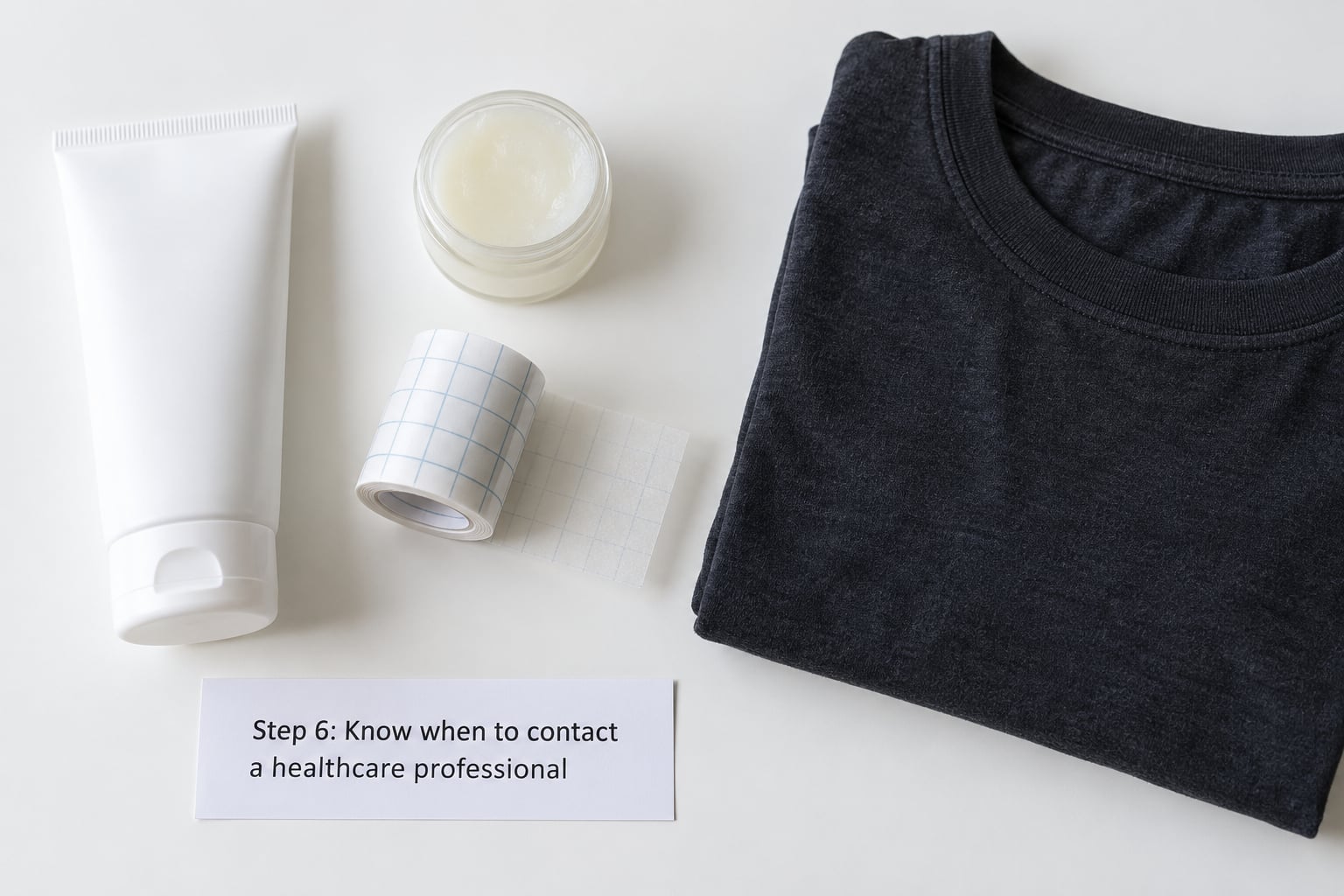
Step 6: Know when to contact a healthcare professional
Healing is not linear, so compare day to day rather than trusting a single symptom. Here is what looks ordinary at each stage and what deserves a call.
- First 1 to 3 days. Usually normal: reddening, tenderness, swelling, clear or pale yellow plasma weeping, light spotting that soaks a small spot of cloth. Worth a call: redness spreading away from the tattoo, pain getting worse after day two, spreading streaks, fever with chills.
- Days 4 to 7. Usually normal: the area dries, tightens, scabs, and flakes, with itching, mild warmth, and color looking muted. Worth a call: thick or yellow-green crusting, pus with an odor, a hot swollen area, pain that keeps climbing.
- Days 8 to 14. Usually normal: peeling in sheets, strong itch, faded or cloudy color, ink near the edge of the tattoo flaking away. Worth a call: itching that keeps getting worse instead of easing, raised hard scar tissue forming beyond the design, a rash spreading beyond the tattooed area.
- Days 15 to 30. Usually normal: skin smoothing over, dull color, some areas still flaking long after others. Worth a call: open spots that keep reopening, a tender lump, symptoms that never ease after three to four weeks.
Call your artist first for anything cosmetic or procedural, such as peeling that reveals a patch of bare skin or a tattoo that looks off-color. Call a doctor or urgent care clinic for anything that suggests infection, an allergic reaction, or scarring: spreading redness, increasing pain, pus, a foul smell, fever, swelling that keeps growing, or a rash beyond the tattooed skin.
Two situations deserve a call the same day. Allergy to tattoo ink usually shows up as an angry, raised, blistering patch that sits exactly where a color was placed, and it can appear weeks later. Keloids show up as firm, raised scar tissue growing past the outline of the design, and picking at flakes is the most common trigger.
Common Mistakes
Almost every bad tattoo story traces back to one of these, and all of them are fixable or preventable.
Washing too often
More cleaning is not better cleaning. Washing several times a day keeps the area stripped and damp, and the skin fights back with flaking. Wash as directed, once or twice a day, then leave it alone.
Touching it with unwashed hands
This is the shortcut that turns a minor irritation into a real problem. Wash first, every time, even when the impulse is just to feel whether the scab is still there.
Soaking, swimming, or hot tubs
Standing water carries bacteria and chemicals into open skin, and heat softens a healing scab. Waiting at least two weeks, and longer if skin is still peeling, costs nothing and saves the color.
Using too much ointment
Thick layers trap heat and moisture, and the tattoo ends up looking shiny for hours and scabbing harder. Use a fingertip-sized amount and let it absorb. If it shines, wipe the excess away.
Picking flakes or scabs
The flakes come off on their own in a few days. Pulling them takes ink and skin with them, and the new patch that heals in their place often looks lighter. This is the mistake tattoo artists notice most.
Leaving it in strong sun
UV exposure on healing skin or fresh ink dulls color permanently. Covered clothing first, broad-spectrum sunscreen on the exposed tattoo once the skin is fully closed.
Wrapping it airtight or leaving plastic wrap on all night
Old-school plastic wrap traps heat and moisture overnight, which is why plenty of artists now prefer a breathable adhesive film or no cover at all. Follow the wrapping your artist chose, and do not add your own layer.
Ignoring the artist and asking a friend instead
Well-meaning advice causes most of the problems above, because the person giving it has never seen your tattoo. Your artist has, and they can answer from the actual work. Nobody is offended by a quick message.
Frequently Asked Questions
How often should I wash a new tattoo?
Most artists ask you to wash a fresh tattoo once or twice a day, using lukewarm water and a fragrance-free cleanser, then patting it dry with a clean paper towel. Your artist may also want you to wait until the wrap comes off before the first wash. Over-washing strips the area and makes peeling worse, so ask your artist for the exact number that fits your tattoo.
Should I keep my tattoo covered while it heals?
Only for as long as your artist says. Most wrap or adhesive film stays on for a few hours, or overnight for some placements, and covering it beyond that traps heat and moisture against healing skin. Afterward, leave it open and protect it with loose clothing. Air flow matters more than covering once the wrap is off.
Can I shower or swim with a new tattoo?
Quick showers are usually fine once your artist clears the wrap, and you pat dry and moisturize right after. Avoid soaking, swimming pools, hot tubs, lakes, and ocean water for at least two weeks, and longer while skin is still open or peeling. Standing water brings bacteria and chemicals into a healing wound and softens scabs.
Is peeling and scabbing a new tattoo normal?
Yes, both are normal between about day three and day fourteen. The outer layer of skin sheds and comes off in sheets, which is why the color looks cloudy or faded for a few weeks. Do not pull anything off. If the skin feels shiny after moisturizing, you applied too much, so wipe the excess and go back to a thin layer.
How long does it take for a new tattoo to heal?
The surface usually closes in two to four weeks, though peeling can come and go for a month depending on placement. Deeper layers continue settling for three to four months, which is why the color looks different by then. Hands, feet, wrists, knees, and elbows take longer than flatter areas. Set up a free touch-up with your artist for the six to twelve month mark.
Start with three things tonight: wash your hands, wash the tattoo once with lukewarm water and a fragrance-free cleanser, and pat it dry. Then leave it alone. That really is how to care for a new tattoo, day after day. Check in with your artist if anything in the list above looks off, and let the healing be boring for a couple of weeks.