Learning how to adopt a dog from a shelter comes down to eight steps: research local organizations, understand the individual dog’s needs, complete the application and interview, meet the dog, review health and behavior records, prepare your home, bring them home, and build trust through the first week. The paperwork usually takes two to eight weeks. Most dogs need about three months to feel fully at home.
The part people underestimate is the last one. A shelter dog arrives with no history you can verify, and the first three days are for decompressing, not training. Plan for that and the adoption is far smoother.
Shelters and rescues both place dogs, but they operate differently. A municipal shelter is usually run by a city or county, takes owner surrenders as well as strays, and houses more animals at any given moment. A nonprofit rescue typically pulls from that shelter or from foster homes, so the dogs often arrive with a foster family’s notes attached. That extra observation history is worth asking about.
Table of Contents
- What You Need to Adopt a Dog From a Shelter
- Step-by-Step
- 1. Research Local Shelters and Rescues
- 2. Understand the Dog Before Applying
- 3. Complete the Adoption Application
- 4. Meet the Dog and Ask Questions
- 5. Confirm Health, Behavior, and Placement Details
- 6. Prepare Your Home for the Dog
- 7. Bring Your New Dog Home
- 8. Build Trust During the First Week
- Common Mistakes
- More Common Mistakes and Quick Fixes
- Frequently Asked Questions
- Conclusion
What You Need to Adopt a Dog From a Shelter
Most organizations ask for proof that you can legally keep a dog, and landlords usually require written permission on the lease. If you rent, get that answer before you apply, not after.
- Proof of residence. A utility bill, lease, or rental agreement dated within the last month.
- Landlord permission. Written confirmation that pets are allowed, including any weight or breed limit and the pet deposit amount.
- A dog-safe home. Secured gates, a plan for the first three days, and a realistic picture of who is home during the day.
- A budget. Food, routine veterinary care, parasite prevention, training, and an emergency fund. The adoption fee is the smallest part of it.
- Reliable transport. A leash and harness, a secure crate or seat-belt harness for the car, and someone who can drive if you cannot.
- A vet commitment. Book a wellness exam within your first few days of ownership and ask the shelter which clinic can receive the transferred records.
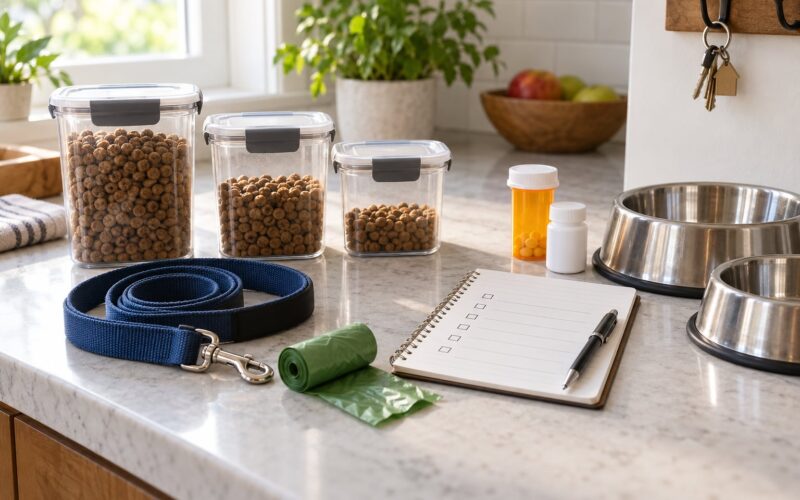
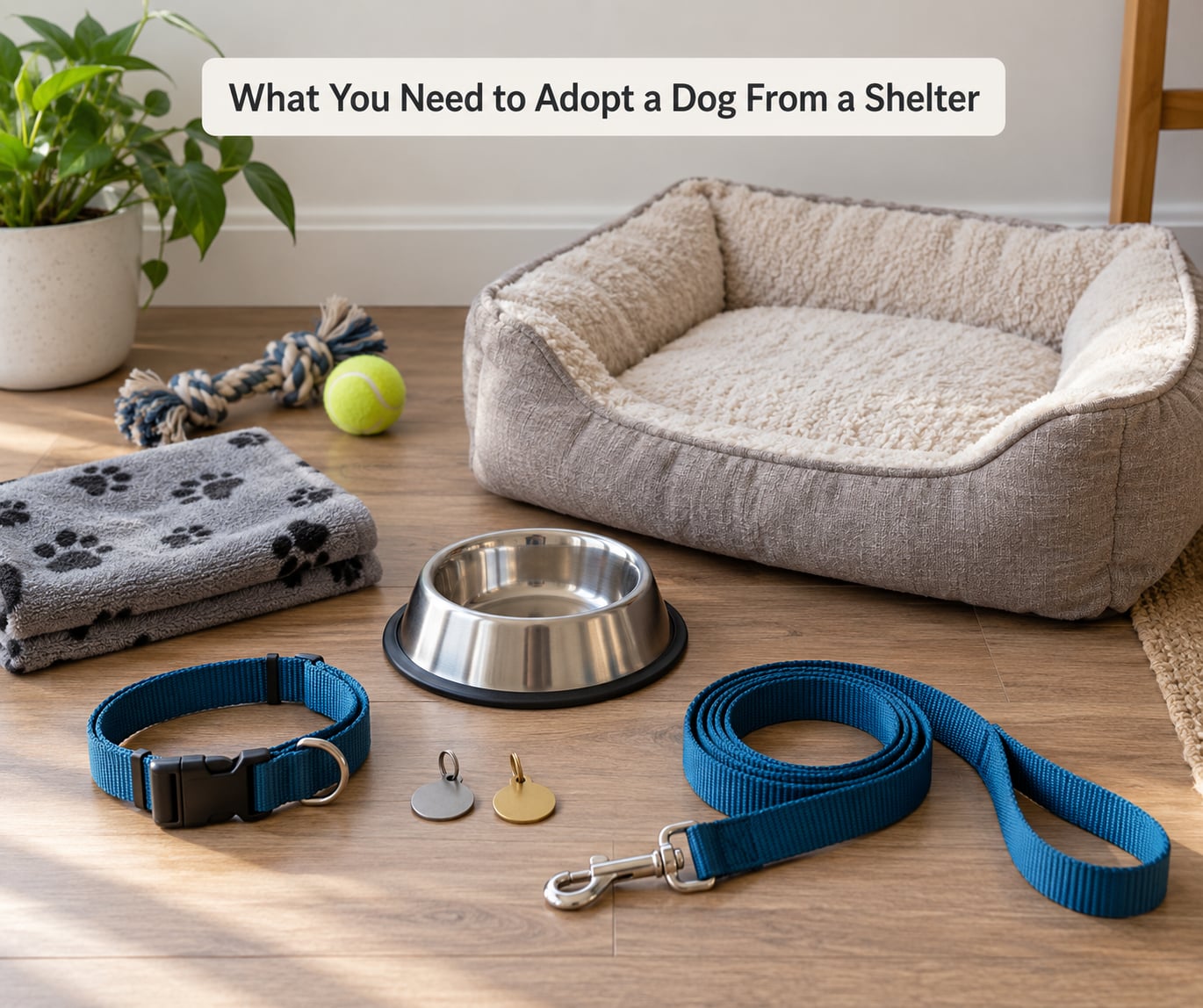
- Supplies. Food matching what the shelter is feeding, a bowl, water, bedding, identification, and a few toys. Skip the collar-and-leash shopping spree until you have met the dog.
- Everyone’s agreement. Anyone sharing the home, including the residents of your household, should be on board.
A dog that is left alone ten hours a day needs a different plan than one that is with someone most of the day. Honest answers about your hours help staff place you well, which protects both of you.
Step-by-Step
1. Research Local Shelters and Rescues
Start with your city or county shelter, then look at nonprofit rescues in your area, breed-specific groups, and specialty organizations for dogs with medical or behavioral needs.
Check that the organization is registered as a nonprofit or is a legitimate municipal program, and look for published adoption policies. Reliable ones will tell you their spay and neuter requirements, whether they require a fenced yard, what their fee covers, and what their return policy is. Reviews and a walk-through visit tell you more than any website. Ask a staff member how long the average dog stays, and how many animals they place each month.
A good sign: someone will answer medical questions honestly, including saying they do not know something.
2. Understand the Dog Before Applying
Read the listing closely. Age, size, energy level, history, temperament notes, medical needs, and whether the dog is available for adoption or in a foster-to-adopt placement all matter more than looks.
Most first-time adopters do best with an adult dog whose energy level matches their routine. An adult dog already has a personality you can partly observe, and many shelter adults are calmer and easier to train than puppies. A puppy, meanwhile, needs far more attention during the months when housetraining and socialization are still happening. Both can work. The mismatch happens when a high-energy dog goes to someone who is out eight hours a day, or a shy dog goes to a busy open-plan home.
Write down your daily routine honestly, then ask whether the dog could live inside it.
3. Complete the Adoption Application
Applications ask about your household, who lives with you, your working hours, your housing situation, your experience with dogs, your other pets, your veterinarian, and your plan for exercise and travel.
They ask because those answers predict problems. A household with young children needs a dog with a reliable temperament and no guarding history. Someone traveling several days a month needs a dog comfortable alone. Honest, specific answers read as more prepared than vague ones.
Do not leave blanks to seem flexible. A short, truthful paragraph about your actual routine beats a polished answer that does not describe your life.
4. Meet the Dog and Ask Questions
Ask to meet the dog in a quiet room away from barking kennels. Dogs behave completely differently in a shelter environment than they will in your home, and volunteers know this well.
Watch how the dog handles being handled, whether they approach people, how they recover from a startle, and what happens near food, other dogs, and people entering the room. Sit on the floor and let the dog come to you rather than reaching. Read the body language from staff who handle the dog daily, not just from your own ten minutes.
Bring your questions on paper. Health history and current medications, spayed or neutered status, microchip registration, behavior around children and other animals, food and medication routines, and what the shelter provides after adoption. Ask for the written behavior observations, since those are often more complete than the summary on the kennel card.
If the dog seems nervous or withdrawn, that is common in shelter settings and not a rejection of you.
5. Confirm Health, Behavior, and Placement Details
Before signing, get copies of the vaccination record, deworming and flea treatment history, current medications and conditions, spay or neuter status, and microchip registration details. Ask whether the microchip is registered to the shelter and whether they transfer the registration to you.
Behavior questions have honest answers. Ask how the dog responds to handling, whether there is any guarding history, how the dog is with children and other animals, how they are when left alone, and whether staff have seen resource guarding or startle responses.
Read the adoption contract before you sign, not at the counter. Look closely at the spay or neuter clause, the microchip terms, the fee refund policy, and the return clause. Ask what the return policy means in practice, how long it lasts, and whether the shelter will take the dog back without judgment.
If the dog came from a foster home, ask for the foster’s notes. Foster families often document small changes in behavior that kennel records miss.
6. Prepare Your Home for the Dog

Pet-proof the place before the dog walks in. Secure gates and windows, move medications, cleaning products, cords, and small objects out of reach, and check the yard for holes and toxic plants. Common dangers include chocolate, grapes and raisins, xylitol in sugar-free gum, onions, and human medications.
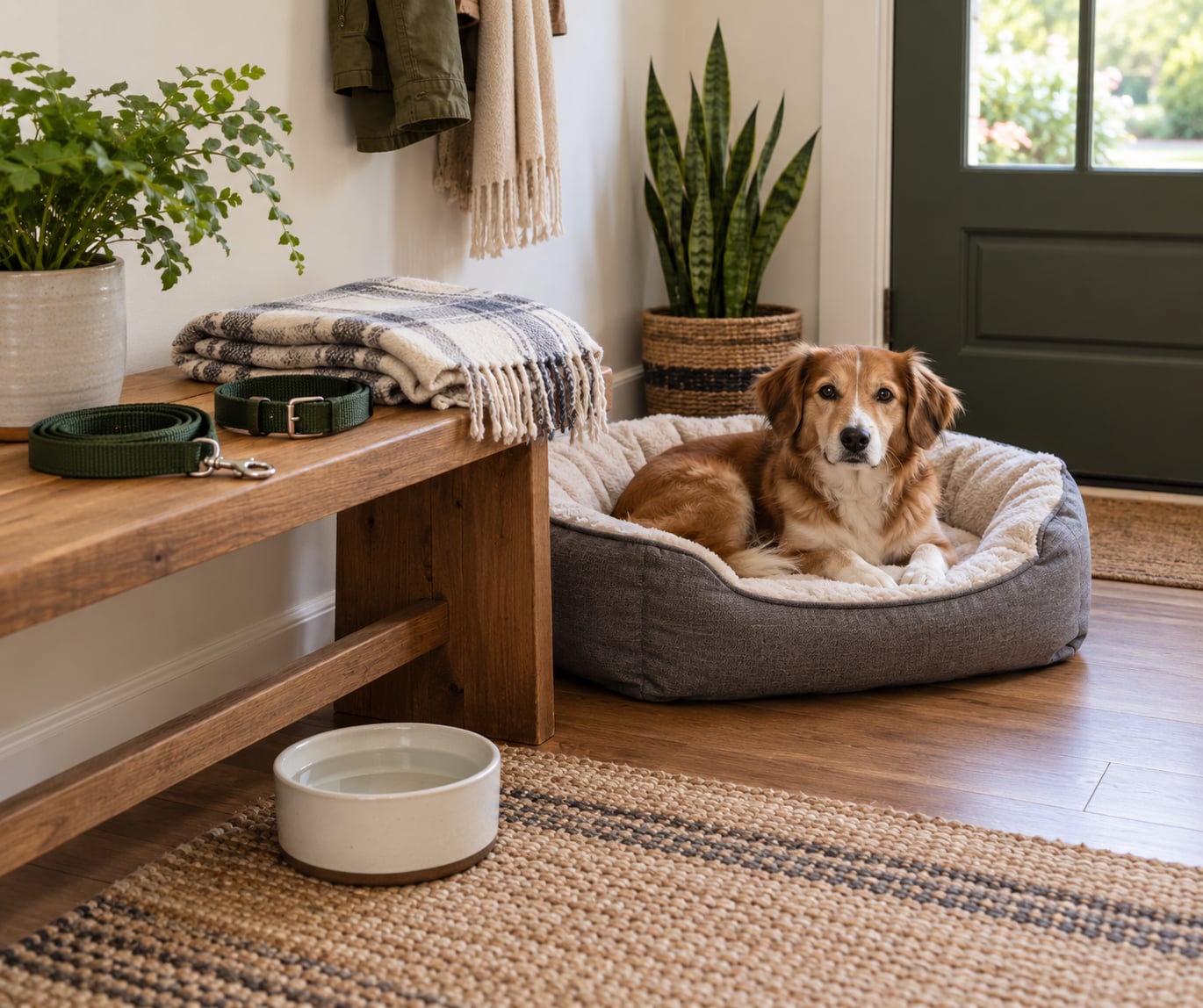
Set up a quiet corner with a washable bed, fresh water, and a spot where the dog can be completely out of the way. Pick up the food the shelter is currently feeding, or ask for a bag of it to take home. A change of diet on the same day as a move is a good way to upset a stomach.
Confirm that the home is ready when you can say yes to three things: the gates are closed, the hazards are gone, and there is a quiet place for the dog to rest on arrival night.
7. Bring Your New Dog Home
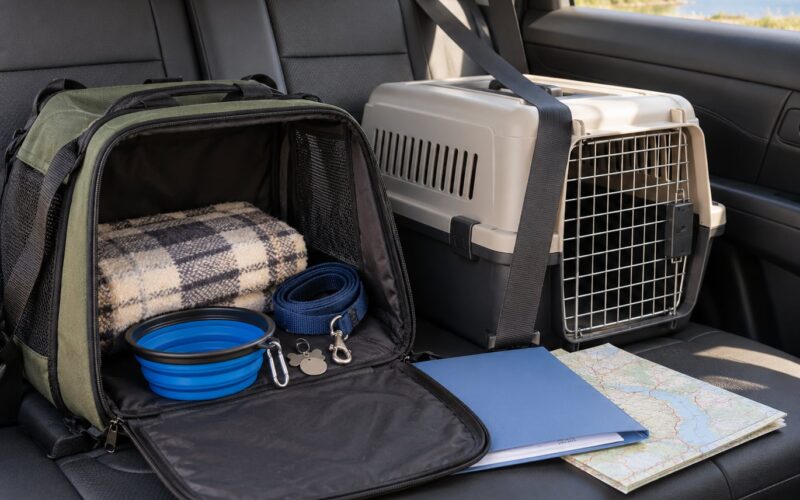
Transport the dog in a secure crate or with a properly fitted harness in the back seat. Do not let a new shelter dog ride loose or on your lap, even for a ten-minute drive. Their road manners are unknown, and an escape outside a shelter or a parking lot is harder to recover from than it looks.
Walk in through the front entrance and give the dog access to one calm area first, not the whole house. Most new dogs need a bathroom break immediately, so take them outside within the first fifteen minutes and again after they eat. Feed the same amount of the same food at roughly the same time the shelter used.
Call the shelter if the dog refuses all food for more than a day, or seems disoriented or painful. Those are signs worth a phone call rather than a week of waiting.
8. Build Trust During the First Week
Keep a predictable routine. Same wake time, same walk times, same feeding times, same bedtime. Adopters repeatedly report that dogs calm down faster once the schedule stops shifting.
Use positive reinforcement for everything, including house-training. Reward what you want to see more of, and keep sessions short. A dog that is still decompressing often cannot hold focus for more than a few minutes, and that is normal for the first week rather than a training failure.
Give the dog space. Many shelter dogs back away from new people in the first few days and start leaning on you around week two. Do not be discouraged by a withdrawn first impression. Introduce household routines gradually, schedule the veterinary wellness exam, and keep a simple written note of meals, walks, and elimination times.
Expect real progress around the three-month mark. That is when the dog usually looks like themselves.
Common Mistakes
Choosing on appearance. A specific look rarely predicts temperament, and the dog who looks least interesting may be the easiest match for your household.
Skipping background research. Reading the full behavior history before visiting prevents most post-adoption surprises. If staff describe a startle response, take it seriously rather than hoping it fades.
Overloading the first days. Meeting every neighbor, throwing a party, and starting group training in week one is the fast route to a frightened dog.
Using punishment. Punishment-based methods damage trust and can worsen guarding and fear. Reward-based training is faster with anxious dogs.
Leaving follow-up care incomplete. Skipping the wellness exam because the dog seems fine is how a treated-ear infection turns into a chronic problem.
More Common Mistakes and Quick Fixes
Rushing the decision. Feeling pressured to say yes on the spot is common around adoption events. Ask for twenty-four hours and go home.
Preparing too little. Buy nothing on the first day beyond a leash, identification, food, and a bed. You will know what your dog actually needs after a week.
Reading instant friendliness as a sign of fit. A dog that is relaxed on day one can still be mismatched. A dog that hides on day one can be a great match. Watch the second and third week.
Neglecting the records. Keep the medical file and the contract together in one folder. You will want it at the first vet visit.
Not budgeting for the first year. Plan for food, preventive veterinary care, parasite prevention, training classes, and one emergency visit. Ask your veterinarian about low-cost wellness clinics and about financial assistance programs such as RedRover, The Pet Fund, and local humane society funds if cost becomes a barrier.
Skipping training classes. Shelters often include vouchers or free classes in the fee package. Ask before the dog leaves.
Frequently Asked Questions
Is it hard to adopt a dog from a shelter for the first time?
The paperwork can feel demanding, but shelters are set up to help first-timers. Expect an application, a conversation about your household and routine, and sometimes a reference check or home video. The harder part is emotional rather than administrative: an adult dog with an unknown past takes patience to read. Organizations that screen carefully are protecting you as much as themselves.
Can I adopt a shelter dog if I live in an apartment?
Yes, plenty of apartment dwellers adopt successfully. Look for a dog matched to your building’s rules and your daily schedule, which usually means a lower-energy dog and one comfortable being alone for your working hours. Some landlords require written pet approval or a deposit, and some shelters ask for proof of residence. Check the lease before you apply, and tell staff your honest schedule so they can match you well.
How do I introduce a shelter dog to my resident dog or cat?
Keep them separated at first with closed doors, separate food and resting areas, and let them exchange scent through a door or gate for several days. Then use a secure leash for short outdoor walks with your dog before any off-leash contact. Cats stay behind a closed door during those sessions. Go at the dog’s pace, watch for stalking or stiff posture, and ask a certified behaviorist for help if either animal freezes or lunges.
How much does it cost to adopt a dog from a shelter?
Fees vary widely by region and organization, and many shelters reduce or waive them for seniors, veterans, or adopters with financial need. Ask what the fee specifically includes, since it often covers spay or neuter surgery, vaccinations, deworming, and microchip registration. Budget separately for food, routine veterinary visits, parasite prevention, training classes, and a possible emergency visit, which usually cost far more over the first year.
What if the shelter dog is not a good match after I bring them home?
Contact the shelter before anything else, and be honest about what is happening. Normal adjustment involves hiding, quietness, and disrupted appetite for the first few days. Persistent fear, aggression toward household members, or a household conflict that will not settle usually means a real mismatch. Most shelters have a return clause and will take the dog back, and many also offer post-adoption behavior support or a return-to-foster arrangement.
Conclusion
Start by researching two or three reputable organizations near you and reading their adoption policies, then compare the individual dog’s energy level and history against your actual weekly routine. Before you sign anything, get the written medical and behavior records and read the contract’s return clause. Finish by pet-proofing the home, buying food, identification, and a bed, and setting up a quiet room. That preparation, more than anything else, decides how the first three months go.